



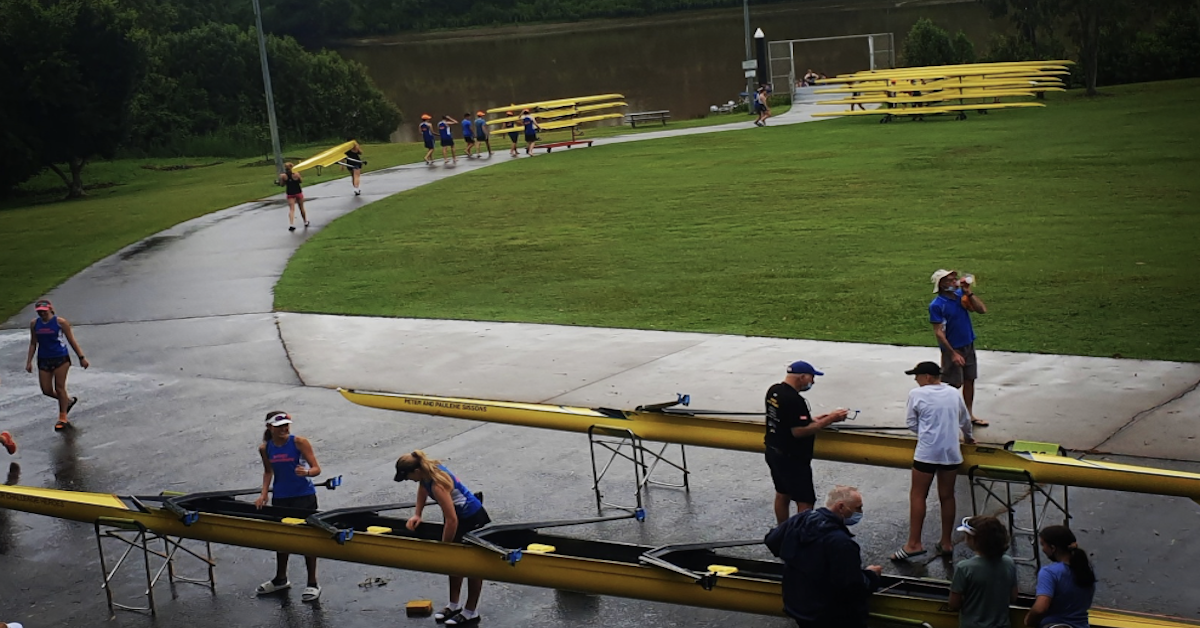
On the banks of the Brisbane River in Riverhills, a rowing shed stands as a familiar sight for locals who have watched generations of young people arrive before sunrise, carrying oars, laughing nervously and learning how to balance on the water for the first time.
Centenary Rowing Club is one of Queensland’s largest rowing clubs and is run entirely by volunteers. It supports school students, adults and families from across Brisbane’s western suburbs, relying on community effort rather than paid staff to keep programs running.

The club was formed in 2001 as part of the Centenary Canoe and Rowing Club, operating with little more than borrowed spaces and a single rowing boat stored under plastic. In those early years, rowing was a small part of a club better known for canoe building and canoe polo. Meetings were held in libraries and living rooms, and rowing outings were mostly social.
A turning point on the river
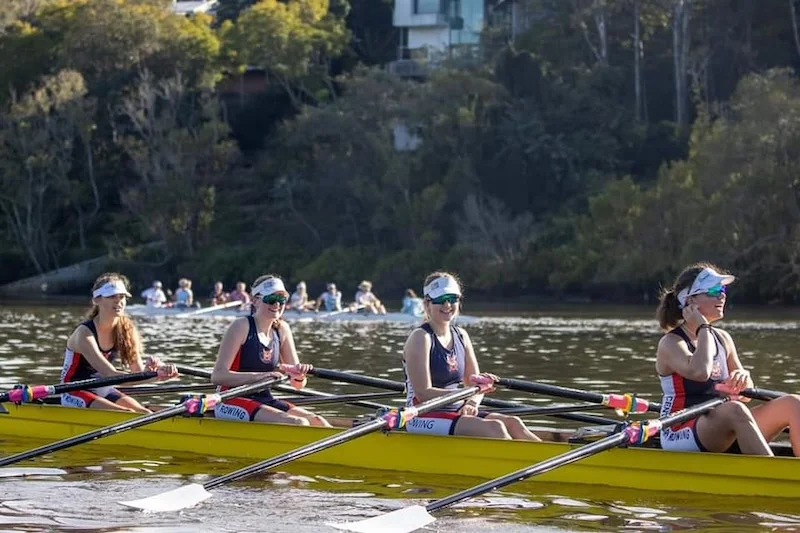
That began to change in 2003, when a youth rowing program was introduced to give local students a pathway into the sport. Coaches and volunteers rebuilt old, unused boats so more teenagers could train, often working late into the evening to prepare equipment for the next session.

By 2006, rowing had grown enough to become its own club, allowing Centenary Rowing Club to focus on coaching, competition and junior development while maintaining close ties with the canoe club. The impact was soon visible. Within a few years, rowers trained at Riverhills were competing at the state and national levels, earning medals and representing their schools with confidence.

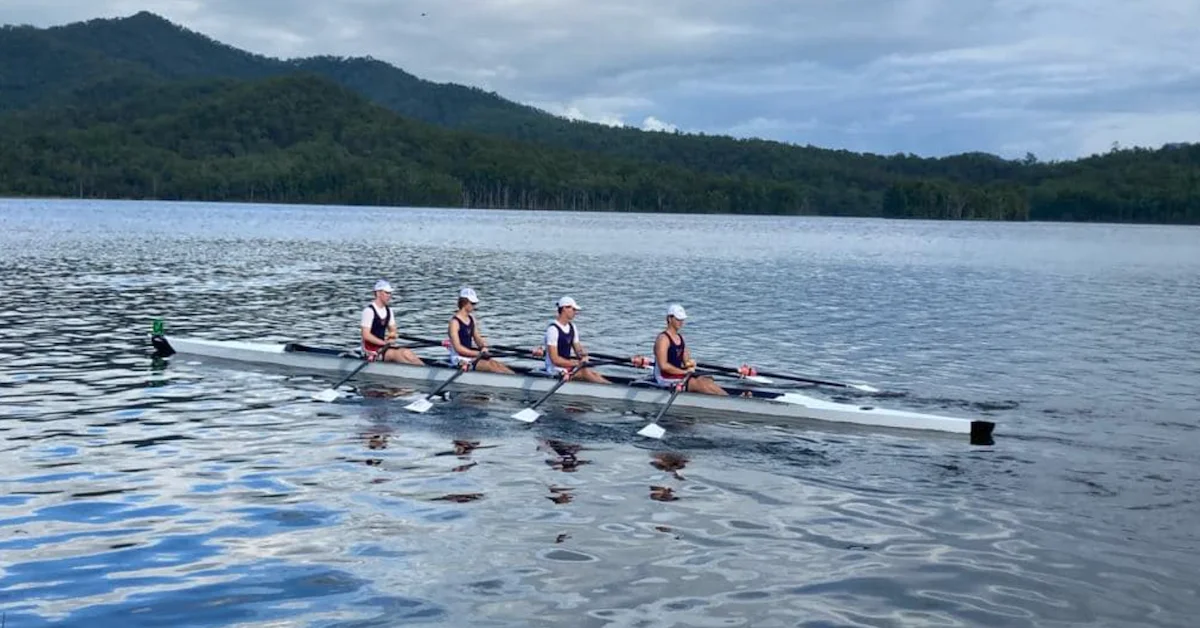
Training became a regular part of life at the shed, with sessions before and after school, on weekdays and weekends. For many families, rowing became more than a sport. It became routine, friendship and responsibility, shaped by volunteers who showed up week after week.
When the river took over
In January 2011, the Brisbane River rose high enough to overwhelm the Riverhills facilities. Floodwater filled the shed with mud and silt, damaged boats and destroyed the pontoon and surrounding grounds. Access to the river was lost, and the club’s future was uncertain.
What followed was a steady, physical effort to recover. Volunteers, supporters and people with no direct connection to the club arrived with machinery, tools and time. Slowly, the mud was cleared, the grounds reshaped and the boats returned to the shed. Rowing resumed cautiously once water quality and access allowed.



More than a decade later, flooding returned in March 2022, bringing familiar damage and another clean-up.
Even then, the club managed to send its largest-ever team to the Australian National Rowing Championships just weeks later, adapting to a last-minute venue change caused by flooding elsewhere.
Grants have supported repairs to the shed and pontoon, enabling the club to continue operating safely.
Powered by volunteers
Centenary Rowing Club remains entirely volunteer-run. Coaches, parents, past members and supporters fill roles across training, regattas and daily maintenance. New volunteers are trained and mentored, including those with no previous rowing or coaching experience, and all volunteers hold a Blue Card.
Rowing programs begin with a Learn to Row course, followed by term-based training for school-aged rowers and flexible Masters programs for adults. Competition requirements are managed through Rowing Queensland.
For a club shaped by the river’s highs and lows, progress at Centenary Rowing Club has never been about speed. It has been about showing up, helping out, and taking the next stroke together.
Published 9-Jan-2026