



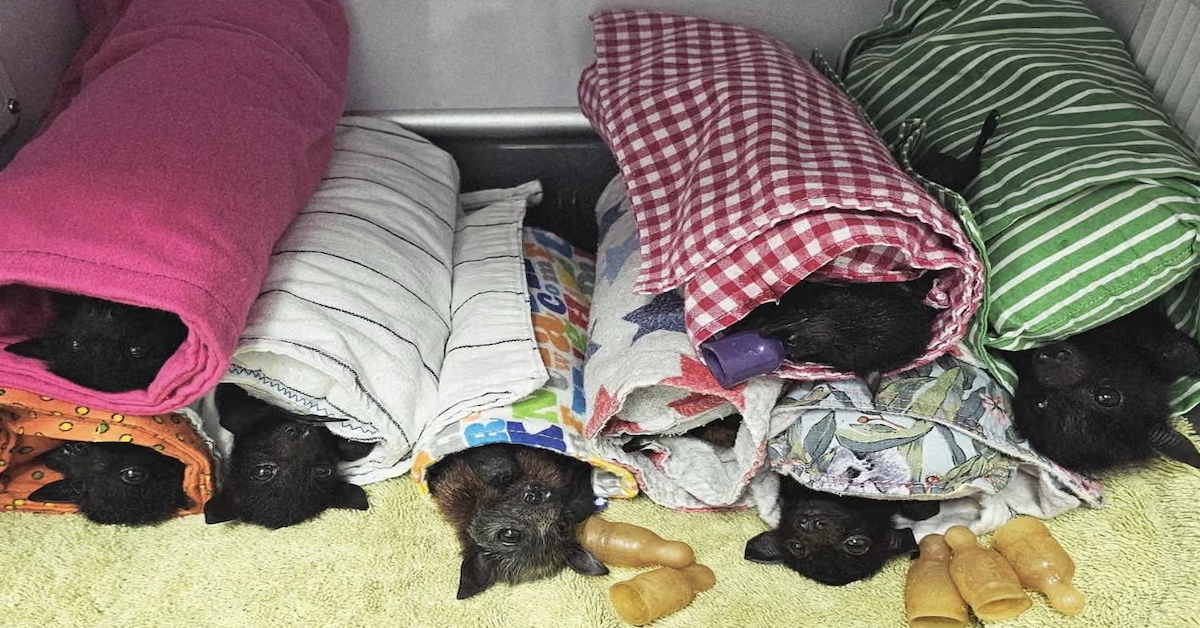
When a severe hailstorm hit the Queensland town of Esk, rescuers arranged for almost 120 injured flying foxes to be taken to the RSPCA Wildlife Hospital in Wacol, many suffering smashed faces and broken wings. Volunteers helped rescue the animals after they were battered by giant hailstones, some larger than cricket balls.
Storm Impact Across Queensland
Over the weekend, days of severe thunderstorms impacted the east coast of central and southern Queensland, bringing intense rain, damaging winds and giant hail. According to the Bureau of Meteorology, hailstones up to 10 centimetres in diameter were reported in numerous locations, including Esk, where a local flying fox colony suffered heavy injuries.

Volunteers from Bat Conservation and Rescue Queensland and other vaccinated wildlife carers collected injured bats from the ground and trees before transporting them to RSPCA Wacol for treatment. David Zammit, an Esk local and RSPCA animal rescue officer, said carers vaccinated against Australian bat lyssavirus worked together to gather the injured animals. He said the hailstorm injured both adult and juvenile bats, including black, little red and grey-headed flying foxes. The event left around 60 pups orphaned on Saturday night, many of them very young.
Inside the Wacol Wildlife Hospital
At the RSPCA Wildlife Hospital, veterinarians began triage immediately, warming the bats and providing fluids. Dr Emily Drayton, lead clinical vet at the facility, said the bats had suffered severe injuries consistent with hail impact. Most were euthanised because their injuries were too extensive for recovery. About eight adults and ten pups survived and are now being hand-reared.

Wildlife carers are using teats coated in glucose gel to feed the pups, as many arrive with low blood glucose. They are wrapped in blankets to stay warm and supported, helping them maintain a natural hanging position. Rehabilitation can take several months, with carers providing fluid therapy, pain relief and assisted feeding before the animals can be released back into the wild.

Community Guidance and Conservation Context
The RSPCA has urged residents not to handle sick, injured or orphaned bats. Because only vaccinated carers should handle them, people who find distressed flying foxes are advised to call a wildlife rescue service rather than attempt care themselves.
This incident shows how a single severe storm can devastate a flying fox colony in Queensland. While the Flying-Fox Roost Management Local Government Grants Program focuses on managing roost impacts and community concerns, it does not fund emergency wildlife rescue work like the response to this hailstorm.


At Wacol, carers are hand-rearing the surviving pups over several months so they can eventually be released back into the wild in Queensland.
Published 12-Nov-2025