


Southbound Centenary Bridge Reconstruction Set to Begin in 2026

The next major stage of the Centenary Bridge Upgrade is on the horizon, with reconstruction works on the southbound side of the Centenary Bridge expected to commence in 2026.


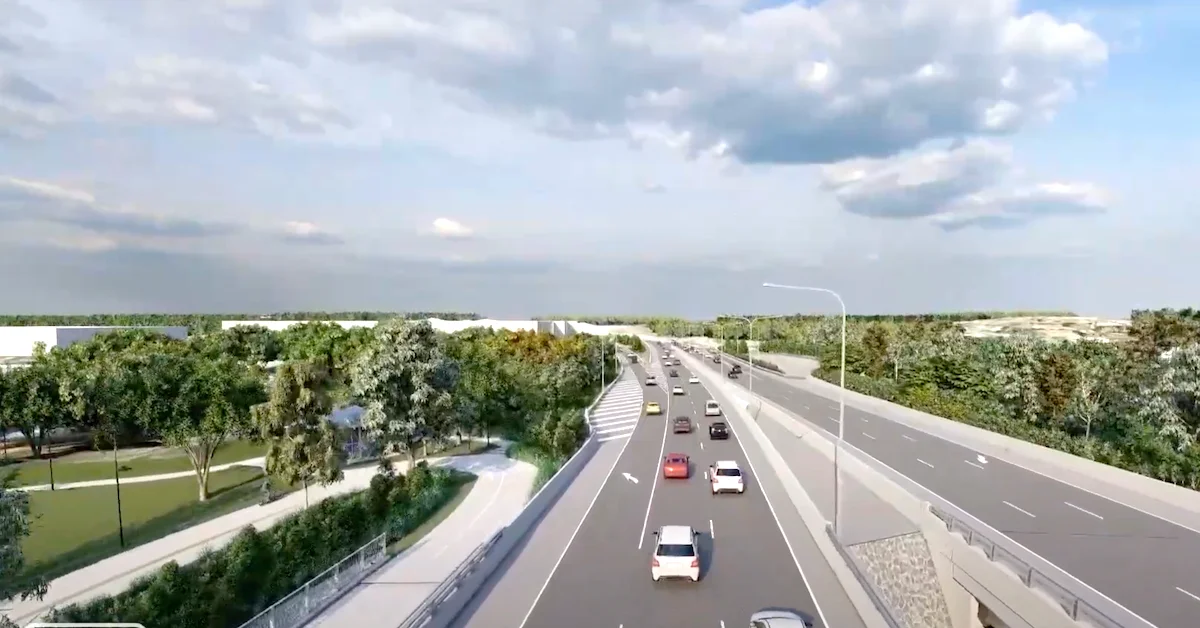
Following the recent opening of the new northbound bridge to traffic, attention will soon turn to the original bridge structure, which will be rebuilt to form a modern, three-lane southbound crossing over the Brisbane River at Jindalee.

Once reconstruction begins, the existing bridge will undergo extensive works to upgrade its structure, road surface and safety features. When complete, the southbound bridge will match the new northbound crossing, delivering six traffic lanes across the river and significantly improving capacity along the Centenary Motorway corridor.

The southbound upgrade is expected to bring long-term benefits for the local community, including smoother traffic flow during peak periods, improved travel time reliability and a safer driving environment. Longer merge lanes and modern design standards are intended to reduce congestion and ease pressure on surrounding local roads.

Photo Credit: TMRQld

Active transport users can also expect improvements. The broader Centenary Bridge Upgrade includes enhanced pedestrian and cycling connections, linking more seamlessly with existing shared paths and improving accessibility for residents travelling between Jindalee, Sinnamon Park and surrounding suburbs.

Importantly, the project has been staged to keep traffic moving throughout construction. With northbound traffic now using the new bridge, reconstruction of the southbound structure can proceed while maintaining lanes in both directions, minimising disruption for road users.

The Centenary Bridge Upgrade forms part of a wider investment in the Centenary Motorway, a key transport spine for Brisbane’s western suburbs. With traffic volumes continuing to grow, the southbound reconstruction represents a critical step in future-proofing the corridor for decades to come.


Published 9-Jan-2026

RACQ Flags Centenary Motorway as Brisbane’s Worst for Morning Traffic

Commuters travelling Brisbane’s Centenary Motorway are losing over 28 hours each year to traffic delays, with RACQ naming it one of the region’s worst peak-hour choke points.


Centenary Motorway Delays Cost Drivers 28 Hours a Year

Drivers travelling the Centenary Motorway between Ipswich Motorway and Fig Tree Pocket Road are losing more than 28 hours every year to traffic delays, the worst congestion in Brisbane’s southwest, and a growing frustration for residents in Darra, Seventeen Mile Rocks and Fig Tree Pocket.

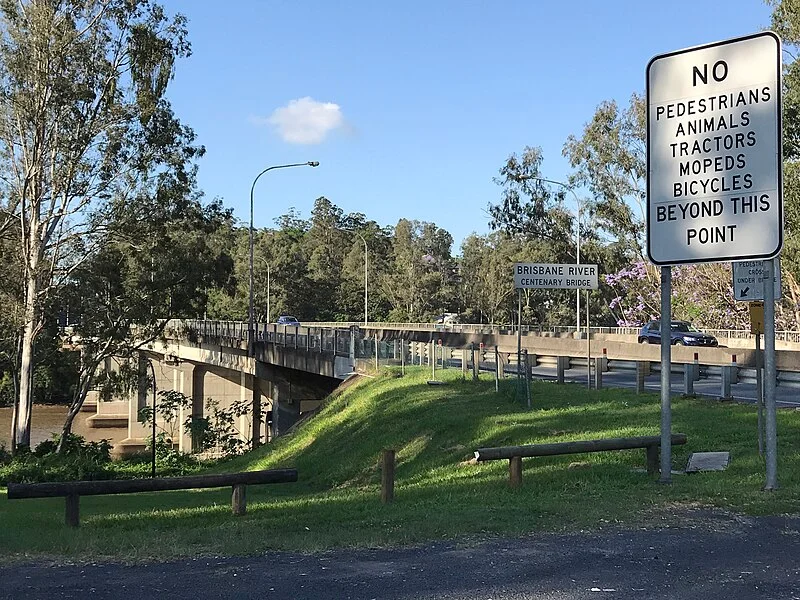
Photo Credit: Kgbo/Wikimedia Commons

Morning peak speeds on this stretch have dropped to 35.9 km/h, adding nearly seven minutes per trip compared to free-flowing traffic, according to the Royal Automobile Club of Queensland (RACQ) 2024 Travel Speeds Report on South East Queensland congestion.

Pressure mounting on key corridors

The RACQ reports the Centenary Motorway is among the slowest major routes during peak times, with worsening delays. Since 2019, morning speeds have fallen on 66% of Brisbane’s key roads, and afternoon congestion is rising. Traffic pressure has surged in suburbs along the Centenary Motorway due to population growth.

The report highlights how the extra travel time adds up quickly for regular commuters, especially those working standard full-time hours. That 7-minute delay each morning equals over 28 hours a year behind the wheel, based on a typical 48-week work year.

Neighbouring areas like Mount Ommaney and Jindalee are also affected by congestion on adjoining sections of the motorway, although the Ipswich-to-Fig Tree Pocket corridor remains the hardest hit.

RACQ calls for long-term transport planning

RACQ’s Head of Public Policy, Dr Michael Kane, warned that road widening isn’t enough to meet future demand. He called for long-term solutions, including improved public transport, smarter upgrades, and alternative travel options.

Photo Credit: Kgbo/Wikimedia Commons

RACQ has proposed extending Brisbane Metro into suburbs like Loganholme and Carseldine, and introducing electric Metro Gliders for faster city-bound routes.

Other ideas include better bike lanes and walkways to cut car use for short trips, but most plans are still in early stages, leaving residents to face worsening commutes.

Communities brace for Olympic growth

The push for faster action has taken on new urgency as Brisbane prepares for the 2032 Olympic Games. With major events planned across the city, including in the western suburbs, locals are worried that existing road networks won’t cope with increased demand.

With tourism and economic growth, traffic on the Centenary Motorway is set to rise. Renewed calls for a western bypass and outer ring road aim to ease pressure by diverting through-traffic.


Despite $1 billion in funding for transport projects, timelines remain unclear. Meanwhile, residents in Darra, Seventeen Mile Rocks, and Fig Tree Pocket endure slow commutes with no quick fix.

Published 9-April-2025