


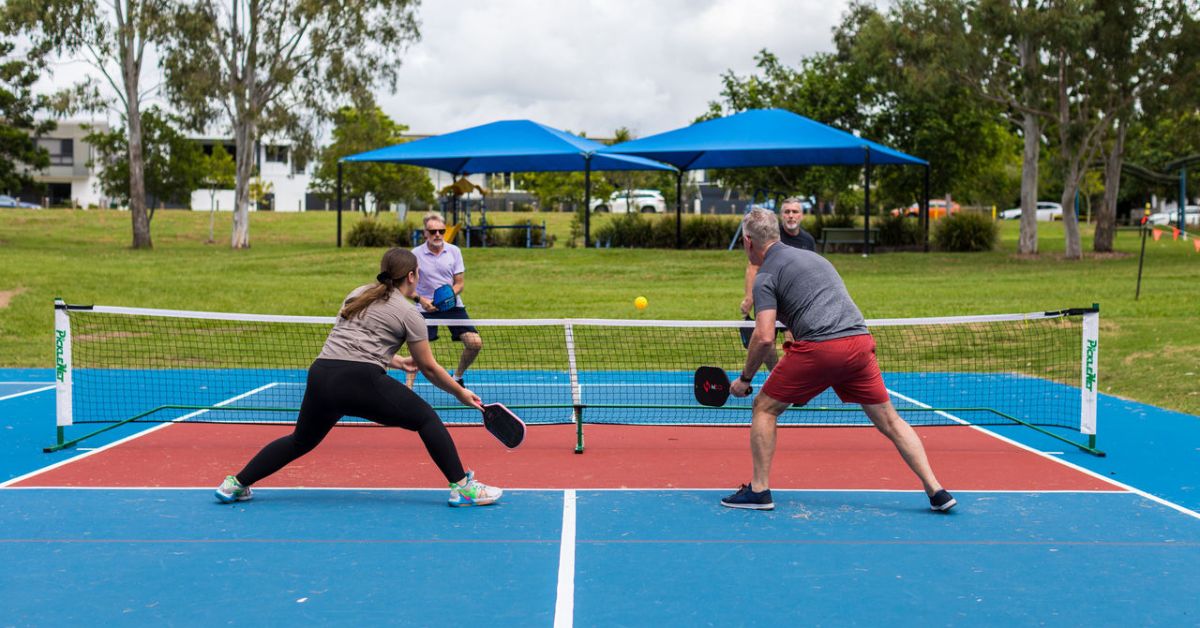
Amazons Place Park in Sinnamon Park is one of Brisbane’s flagship pickleball locations, home to purpose-built courts that have become a meeting point for players of all ages in the city’s western suburbs as the sport’s Australian participation tops 155,000 people and keeps climbing.
It might be the most social sport you have never played. Pickleball takes roughly ten minutes to learn, costs nothing to access at a public court and can be played by anyone from school-age children to grandparents, often in the same game.
For the families and residents of Sinnamon Park and the surrounding Centenary suburbs, the courts at Amazons Place Park are one of the more quietly significant additions to the local parks network in recent years.
A sport invented by boredom and refined by the world
Pickleball was invented in 1965 on Bainbridge Island in Washington, USA, as a way to entertain bored families during a summer afternoon. The game uses a smaller court than tennis, solid paddles and a perforated plastic ball, combining elements of tennis, badminton and table tennis into something that feels immediately intuitive but rewards practice and strategy.
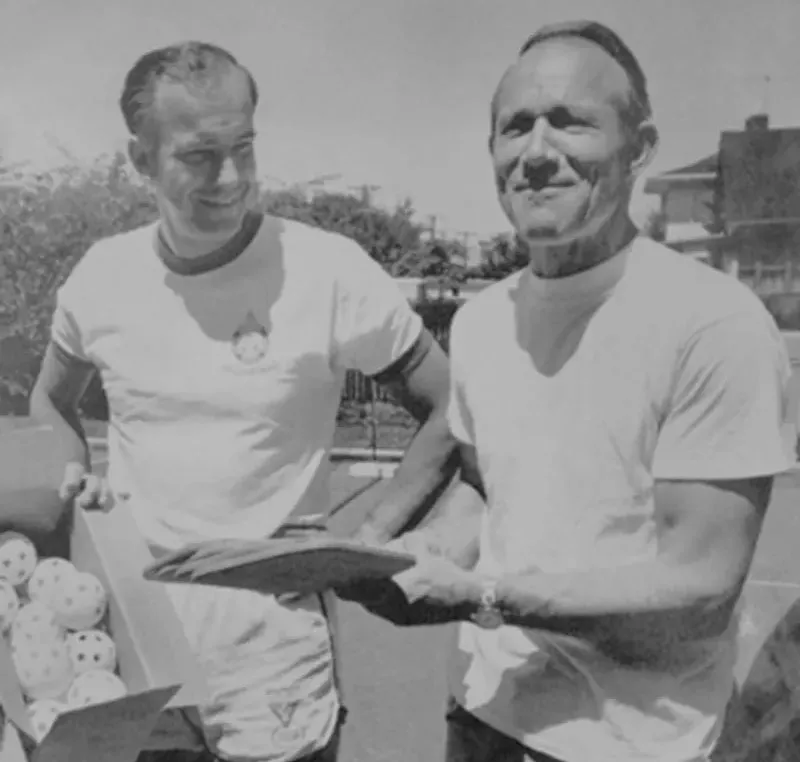
The first known game of pickleball in Australia was played in 2010 on the Sunshine Coast in Queensland, but the sport remained largely underground until the pandemic years accelerated its spread. AusPlay data released in April 2025 confirmed that over 155,000 Australians are now actively participating, with 267 clubs operating nationwide. Pickleball Australia has grown its membership base at a rate that rivals any sport in the country’s history.
Globally, the numbers are staggering. Pickleball participation has grown from roughly 4.8 million players in 2022 to over 22 million in 2026, making it one of the most rapid participation increases in any sport in modern history. The International Federation of Pickleball now spans 78 member countries, and the sport is the fourth most-searched on Google behind only golf, basketball and football.
The 2025 Pickleball World Cup drew more than 3,000 participants from 68 countries, and the lobby for Olympic inclusion at Brisbane 2032 is gaining real momentum.
A game for everyone, not just athletes
What consistently surprises first-timers is how quickly they feel competent on the court. The smaller playing area means less ground to cover. The lighter paddle places less strain on elbows, wrists and shoulders. The slower ball gives beginners time to react and recover. And the social format, usually doubles, means you are always playing with someone rather than grinding through solo drills.
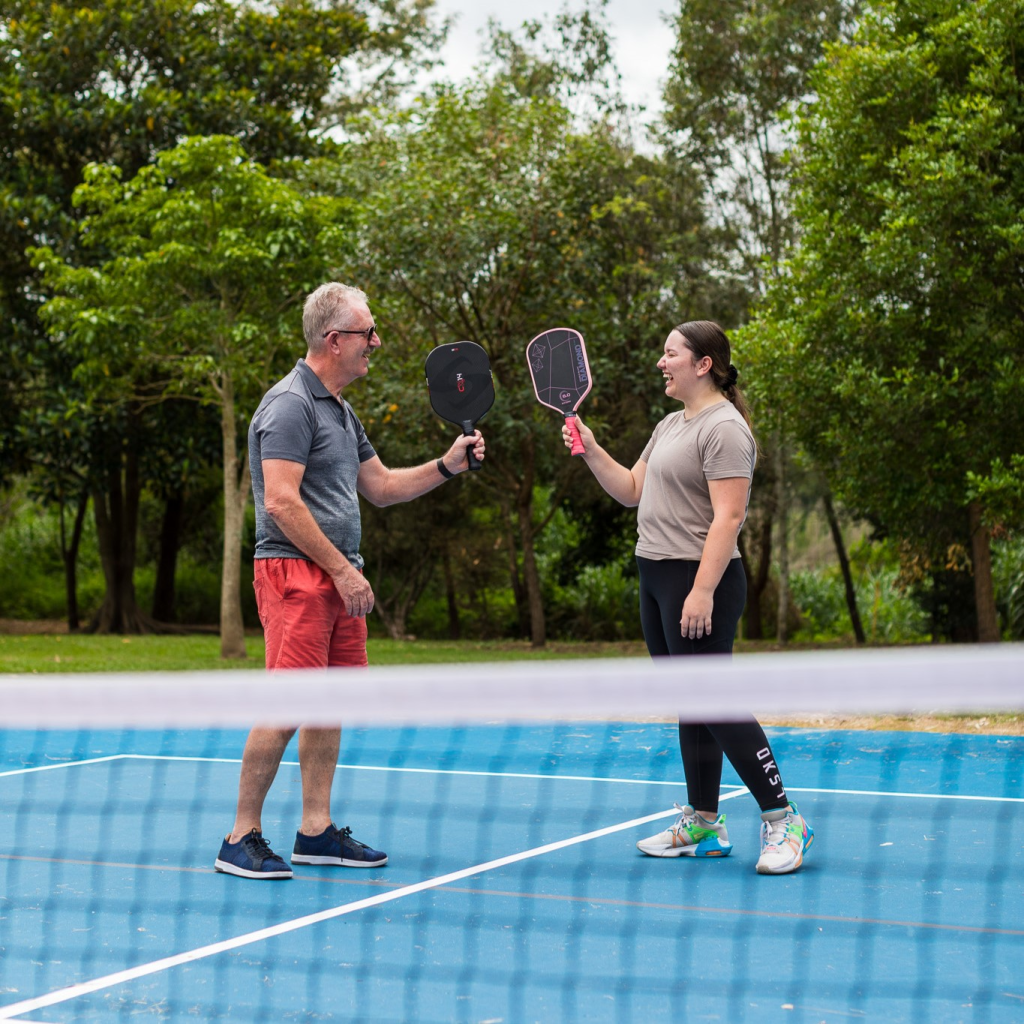
The average player age has dropped from 41 in 2020 to 34.8 in 2026, with the under-35 demographic now representing 40 per cent of all players, a shift driven by the sport’s spread across university campuses, social media and the broader move toward active recreation that does not require peak fitness to enjoy from day one.
South-side courts, from Sinnamon Park to Runcorn
Amazons Place Park in Sinnamon Park sits alongside four other dedicated pickleball locations across Brisbane’s south and inner-south: Bonemill Road Park in Runcorn, Greenway Esplanade Park in Parkinson, Joachim Street Park in Holland Park West, Wallace Place Park in Coorparoo and Davies Park in West End. Together they form a connected network that puts a court within easy reach of residents from the western suburbs through to the inner city.
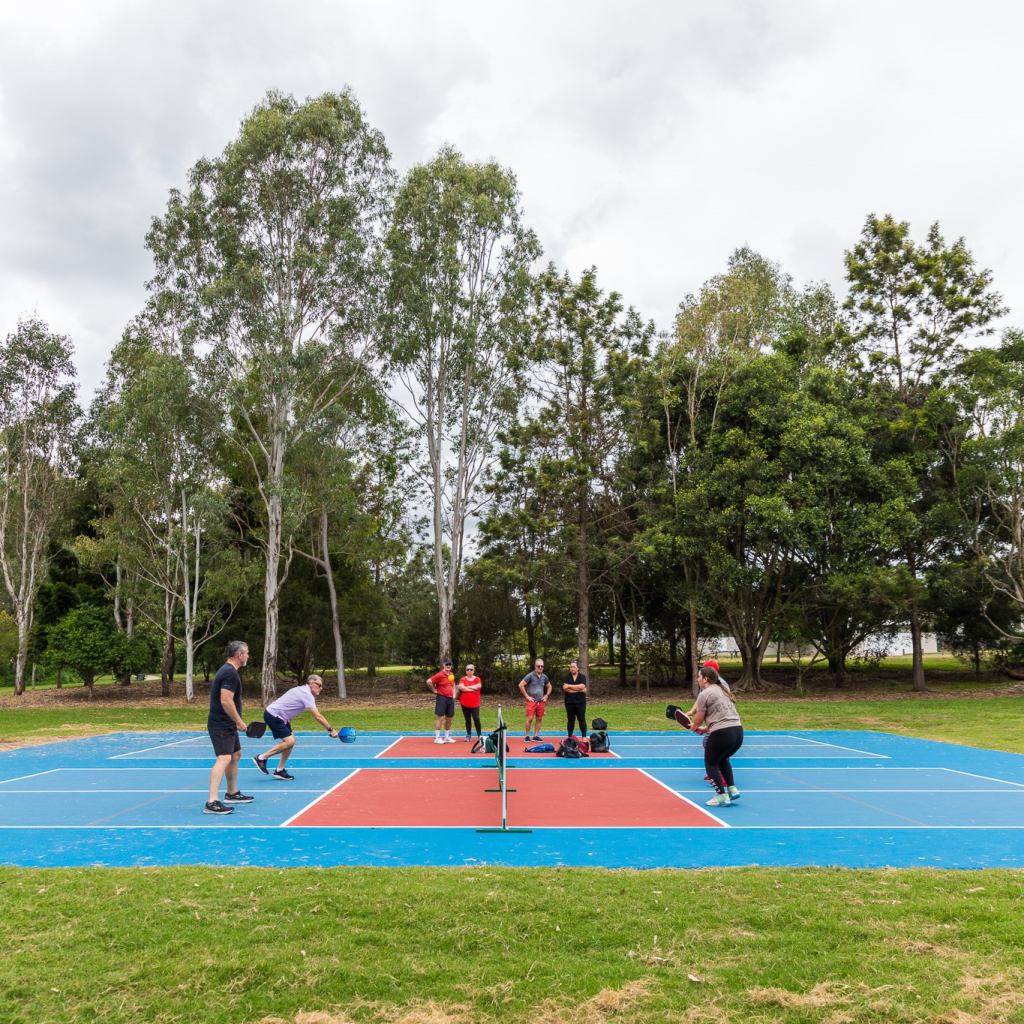
Brisbane’s full pickleball network covers more than 20 parks across the city, from Bracken Ridge and Boondall in the north to Kenmore and Forest Lake in the west, meaning the sport is now genuinely accessible regardless of where you live.
While most public park courts offer free use on a first-come, first-served basis, high-demand sites like Runcorn and West End regularly host formal club sessions, coaching clinics and social leagues. These specific programs require prior coordination or a small participation fee.
To find a local club, a come-and-try session or an upcoming tournament near you, click here.
Published 4-May-2026