


Platypus Habitat Restoration Underway in Sumner

Platypus conservation efforts are underway in the Sumner catchment, as community volunteers, researchers, and local officials focus on restoring Bullockhead Creek habitat.


Survey Confirms Urban Breeding Activity

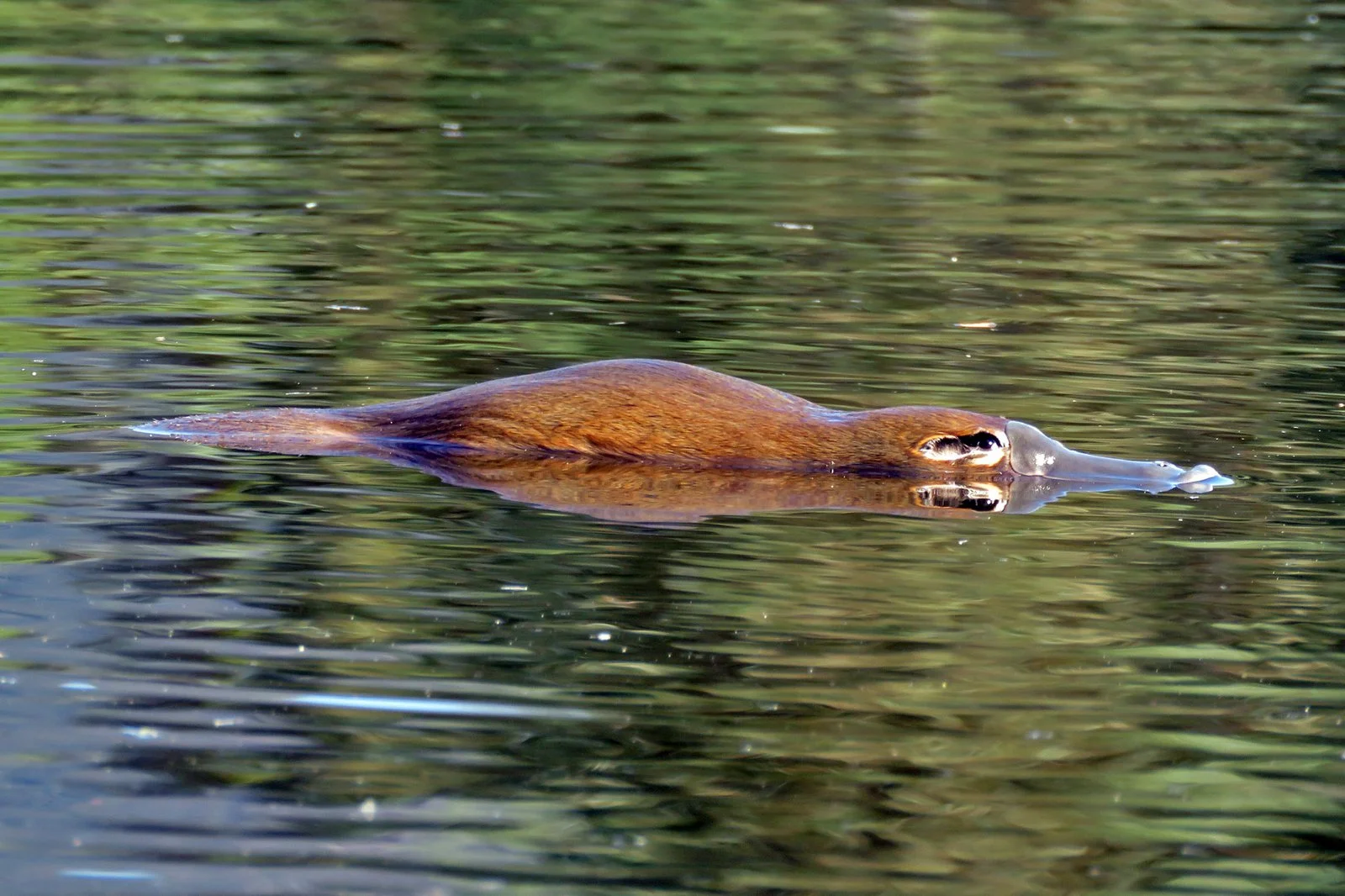
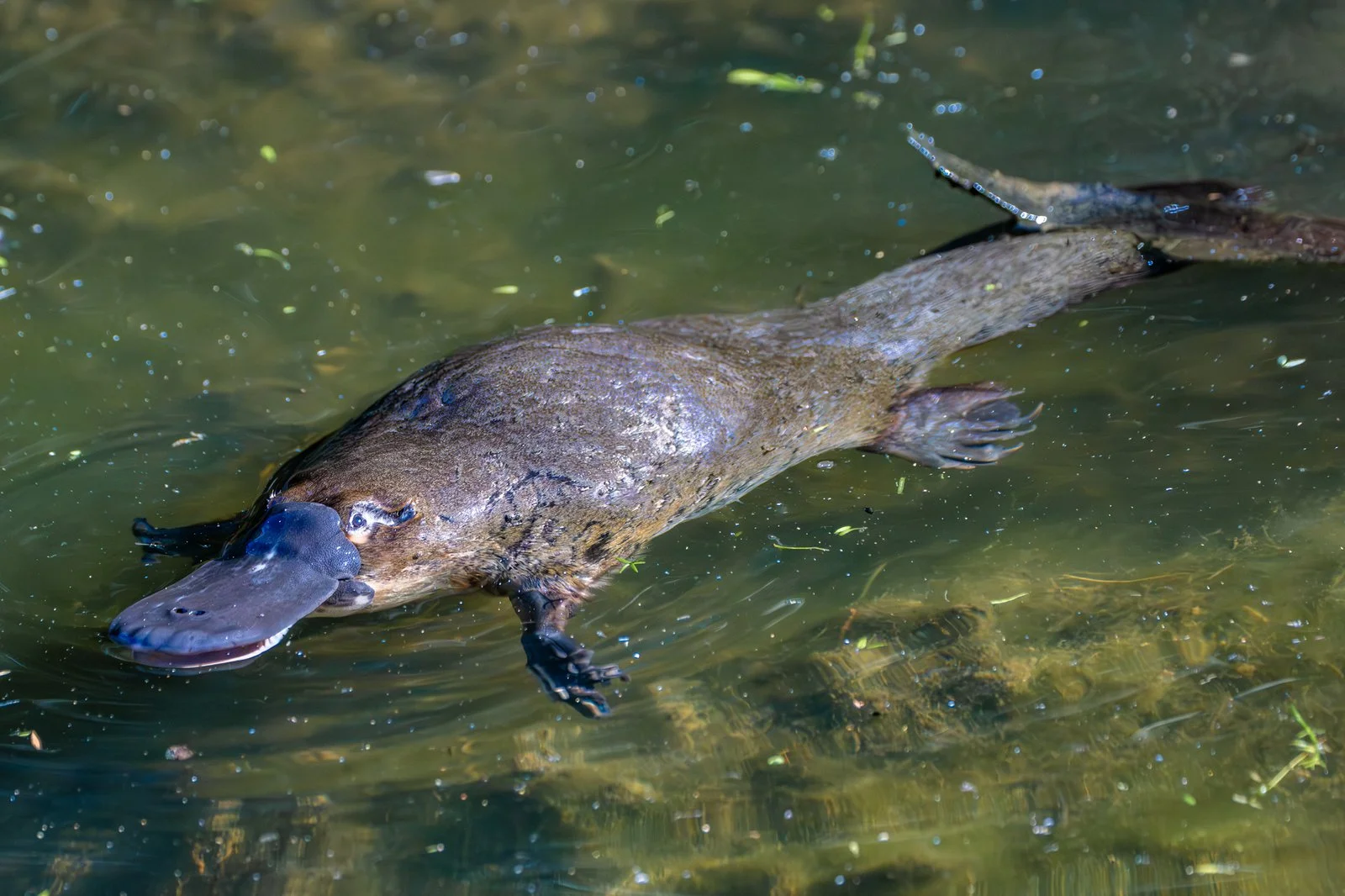
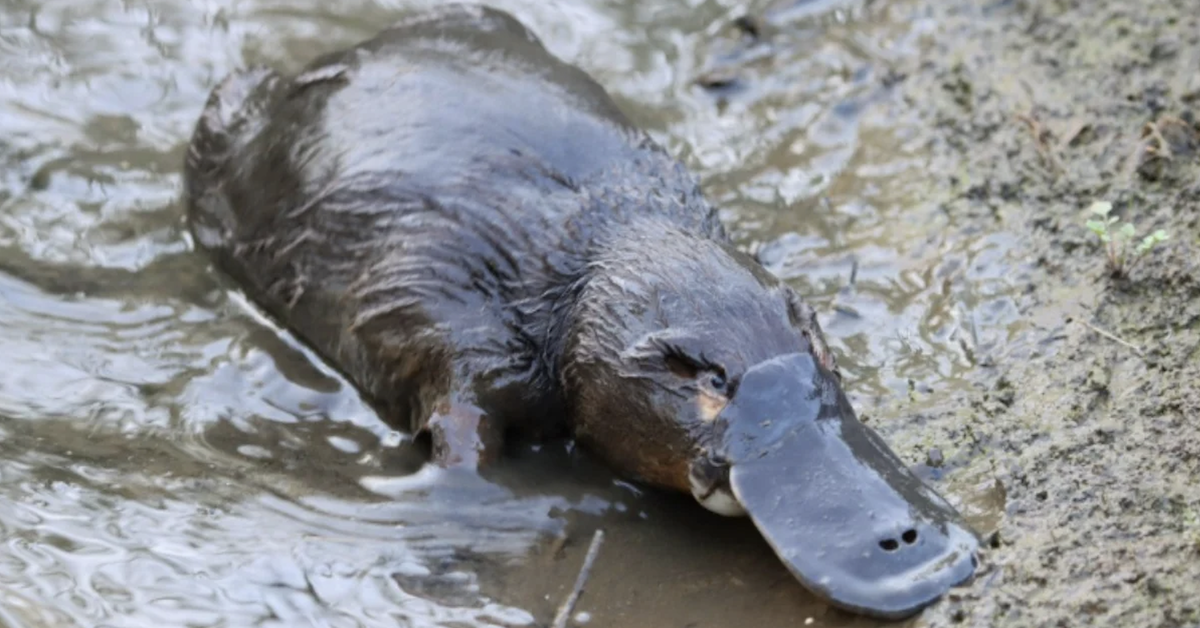
Recent research along Bullockhead Creek—flowing through the suburbs of Sumner, Wacol, Forest Lake and Richlands—has confirmed signs of breeding platypuses despite increasing urbanisation. Wildlife Queensland’s PlatypusWatch team, in collaboration with the University of New South Wales, carried out a week-long fyke netting survey at twelve sites, primarily in Wacol, where two male platypuses were captured—one being a juvenile.

Habitat Under Pressure from Development

Bullockhead Creek is surrounded by industrial and residential zones. Pollution, sedimentation, and modified water flows continue to place stress on aquatic wildlife. Environmental DNA (eDNA) sampling in previous years had detected platypus presence, prompting the need for physical population surveys to better assess activity and habitat use.

Evidence of Long-Distance Movement

One of the captured adult males had previously been recorded more than 20 kilometres away in Moggill Creek in 2020. This observation highlights the ability of the species to travel across catchments and reinforces the importance of maintaining ecological connectivity between waterways to support population resilience and genetic diversity.

Community-Driven Regeneration Efforts

More than 2,500 native seedlings were planted by volunteers along Bullockhead Creek to improve habitat conditions. The work, carried out in collaboration with BCC, aims to enhance shade, stabilise creek banks, and improve shelter and water quality for aquatic species. These efforts occurred primarily within Wacol, but benefit the broader catchment area, including downstream sections in Sumner.

platypus conservation Sumner
Photo Credit: LMAdrianSchrinner/Facebook

Local Advocacy and Education

Ongoing collaboration between council representatives, environmental organisations, and local communities continues to support conservation activities within the Wolston Catchment. Local official Sarah Hutton has been involved in supporting platypus monitoring and education programs since 2023.

Next Steps in Platypus Protection

Samples from both platypuses have been collected for genetic and health analysis, contributing to long-term monitoring of Brisbane’s urban platypus populations.


Residents across the catchment, including Sumner, are encouraged to report sightings, join planting days, and support efforts to phase out enclosed yabby traps. These actions help sustain the ecological health of Bullockhead Creek and the suburbs it passes through.

Updated 6-January-2026
Platypus Populations Holding On in Wacol

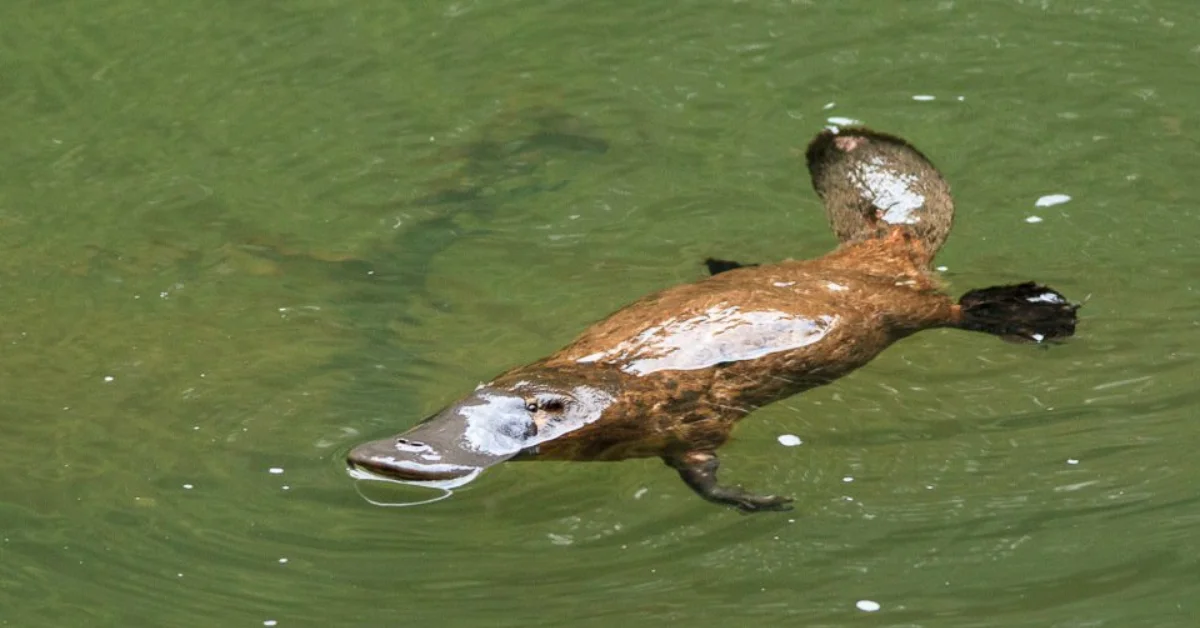
Recent monitoring has shown that platypus populations are still present in Wacol, with eDNA results confirming activity in the area as regional studies continue.


Background on Monitoring After the 2022 Floods

Platypus monitoring across Ipswich and surrounding waterways intensified after the 2022 floods raised concerns about severe population loss. In June 2022, early post-flood eDNA sampling across 22 known sites detected only one tentative positive sign at Wacol.

A follow-up survey in December 2022 produced similar results, indicating platypus had not yet returned to many Ipswich waterways. These findings highlighted the scale of habitat damage, including bank instability, sediment influx, and overall decline in water quality across creeks such as Woogaroo and Opossum.

eDNA program
Photo Credit: Australian Museum

Expanded Monitoring Across South East Queensland

From 2023 onward, eDNA sampling in the region continued under Ipswich City Council’s annual program. Results released in 2025 showed improvements, with multiple positive detections across Bundamba, Six Mile and Sandy creeks.

While some waterways recorded limited detections, Wacol remained significant as a location where platypus DNA had been consistently identified since the floods.

The broader regional effort now forms part of the $1.2 million Resilient Rivers SEQ program launched on 3 November 2025. The initiative spans more than 200 sites across Brisbane, Logan, Ipswich, Moreton Bay, Noosa and the Sunshine Coast, using eDNA to study species including platypus, rakali, freshwater turtles, lungfish, frogs and Mary River cod.

Habitat Pressures and Long-Term Challenges

Research outlined in previous monitoring reports identified ongoing habitat degradation as a major threat. Increased sediment loads, bank erosion and waterway connectivity issues continue to affect platypus burrows, which rely on stable, vegetated creek banks for survival.

The 2022 floods delivered sediment levels far above recommended objectives, contributing to the decline of known populations across Ipswich’s waterways.

Wacol platypus monitoring
Photo Credit: Australian Museum

Habitat Restoration Efforts in Wacol

In January 2025, a platypus habitat restoration project was launched at Bullockhead Creek in Wacol. The site is regarded as an important refuge for Brisbane’s remaining platypus, with only 35 sightings reported across the city the previous year.

The project received $1.9 million in funding to rehabilitate 4.5 hectares of creek habitat. Key works include weed removal, habitat repair and revegetation using native species to stabilise banks and improve ecological conditions.

Ongoing research into platypus movements forms part of this strategy, supported by DNA sampling at 100 sites in Brisbane.

Community and Stakeholder Involvement

Local environmental groups and researchers have expressed support for the restoration work at Wacol. Community-led monitoring efforts such as PlatyCount continue to contribute data, complementing formal eDNA surveys undertaken across South East Queensland.

Outlook for Platypus Conservation in Wacol

Monitoring under the Resilient Rivers SEQ program will continue over the next two years, informing habitat restoration, waterway management and long-term biodiversity planning.


In Wacol, early-2025 restoration works are expected to improve local conditions, supporting the survival of remaining platypus populations and guiding future conservation efforts.

Updated 25-November-2025