



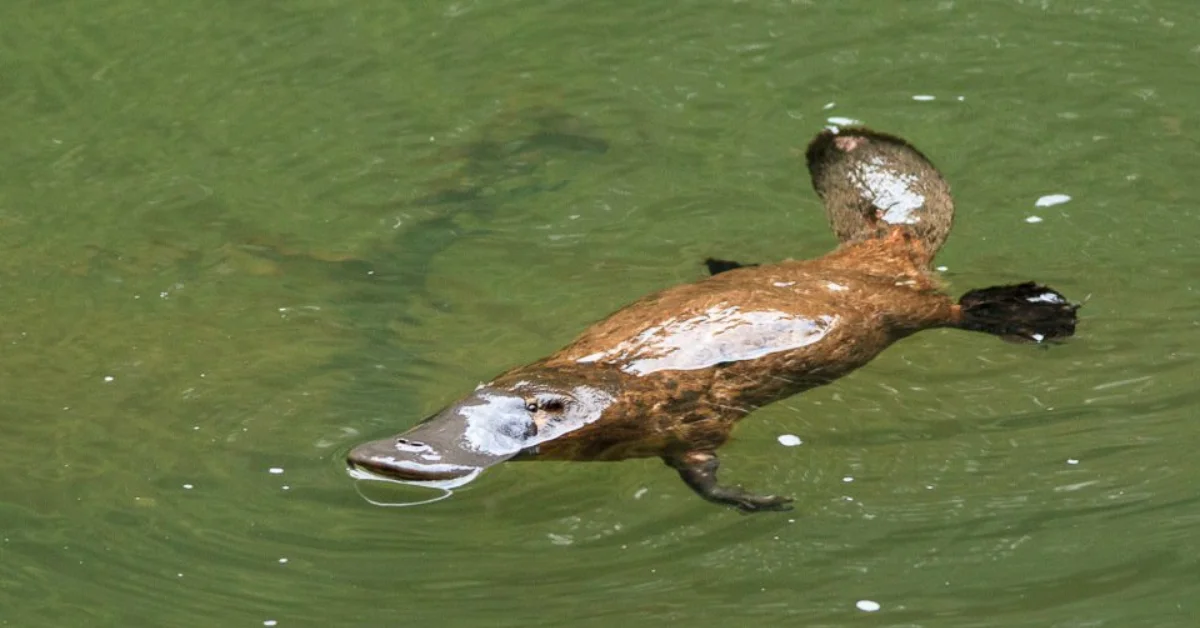
Platypus Populations Holding On in Wacol

Recent monitoring has shown that platypus populations are still present in Wacol, with eDNA results confirming activity in the area as regional studies continue.


Background on Monitoring After the 2022 Floods

Platypus monitoring across Ipswich and surrounding waterways intensified after the 2022 floods raised concerns about severe population loss. In June 2022, early post-flood eDNA sampling across 22 known sites detected only one tentative positive sign at Wacol.

A follow-up survey in December 2022 produced similar results, indicating platypus had not yet returned to many Ipswich waterways. These findings highlighted the scale of habitat damage, including bank instability, sediment influx, and overall decline in water quality across creeks such as Woogaroo and Opossum.
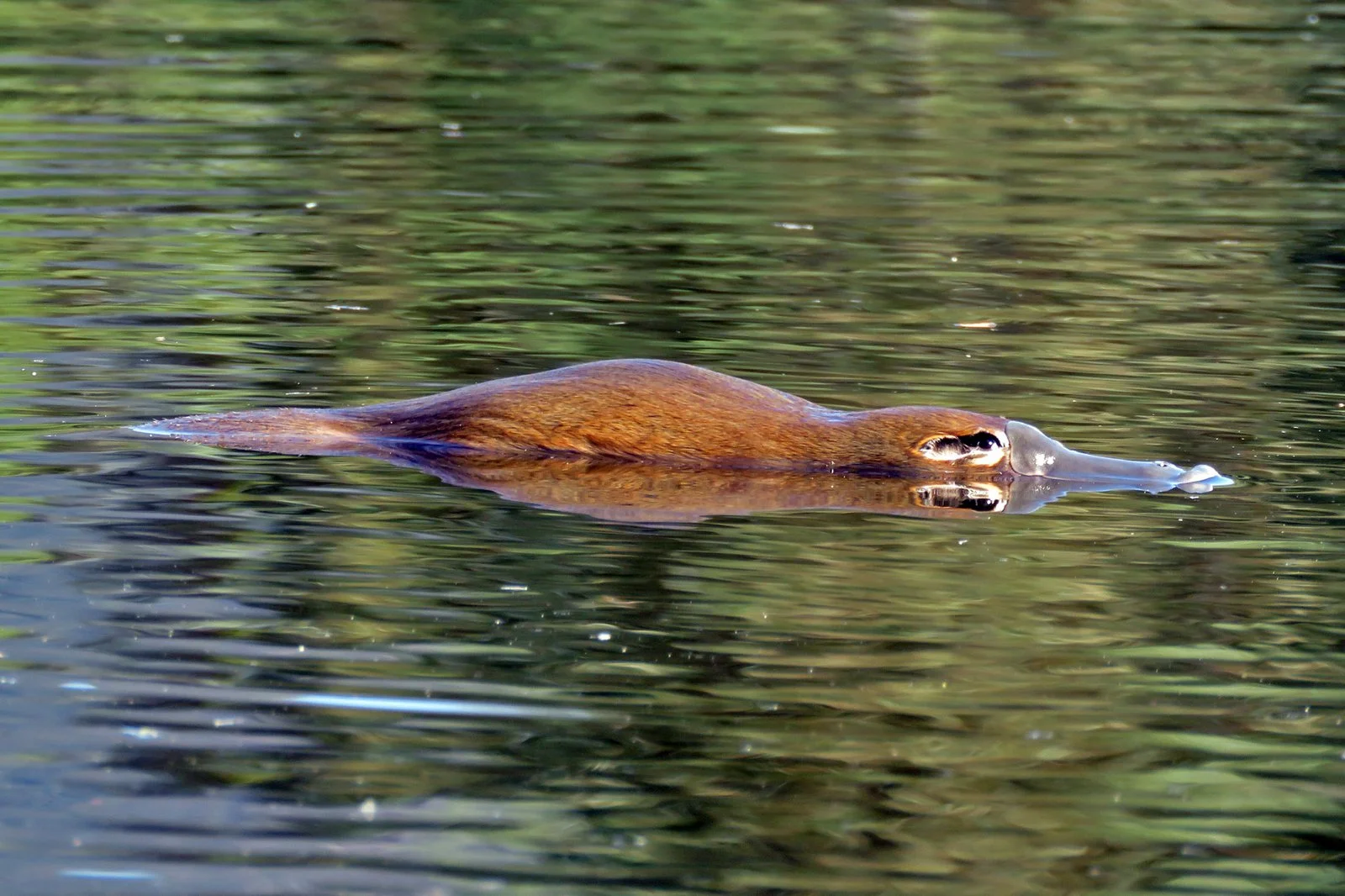
eDNA program
Photo Credit: Australian Museum

Expanded Monitoring Across South East Queensland

From 2023 onward, eDNA sampling in the region continued under Ipswich City Council’s annual program. Results released in 2025 showed improvements, with multiple positive detections across Bundamba, Six Mile and Sandy creeks.

While some waterways recorded limited detections, Wacol remained significant as a location where platypus DNA had been consistently identified since the floods.

The broader regional effort now forms part of the $1.2 million Resilient Rivers SEQ program launched on 3 November 2025. The initiative spans more than 200 sites across Brisbane, Logan, Ipswich, Moreton Bay, Noosa and the Sunshine Coast, using eDNA to study species including platypus, rakali, freshwater turtles, lungfish, frogs and Mary River cod.

Habitat Pressures and Long-Term Challenges

Research outlined in previous monitoring reports identified ongoing habitat degradation as a major threat. Increased sediment loads, bank erosion and waterway connectivity issues continue to affect platypus burrows, which rely on stable, vegetated creek banks for survival.

The 2022 floods delivered sediment levels far above recommended objectives, contributing to the decline of known populations across Ipswich’s waterways.
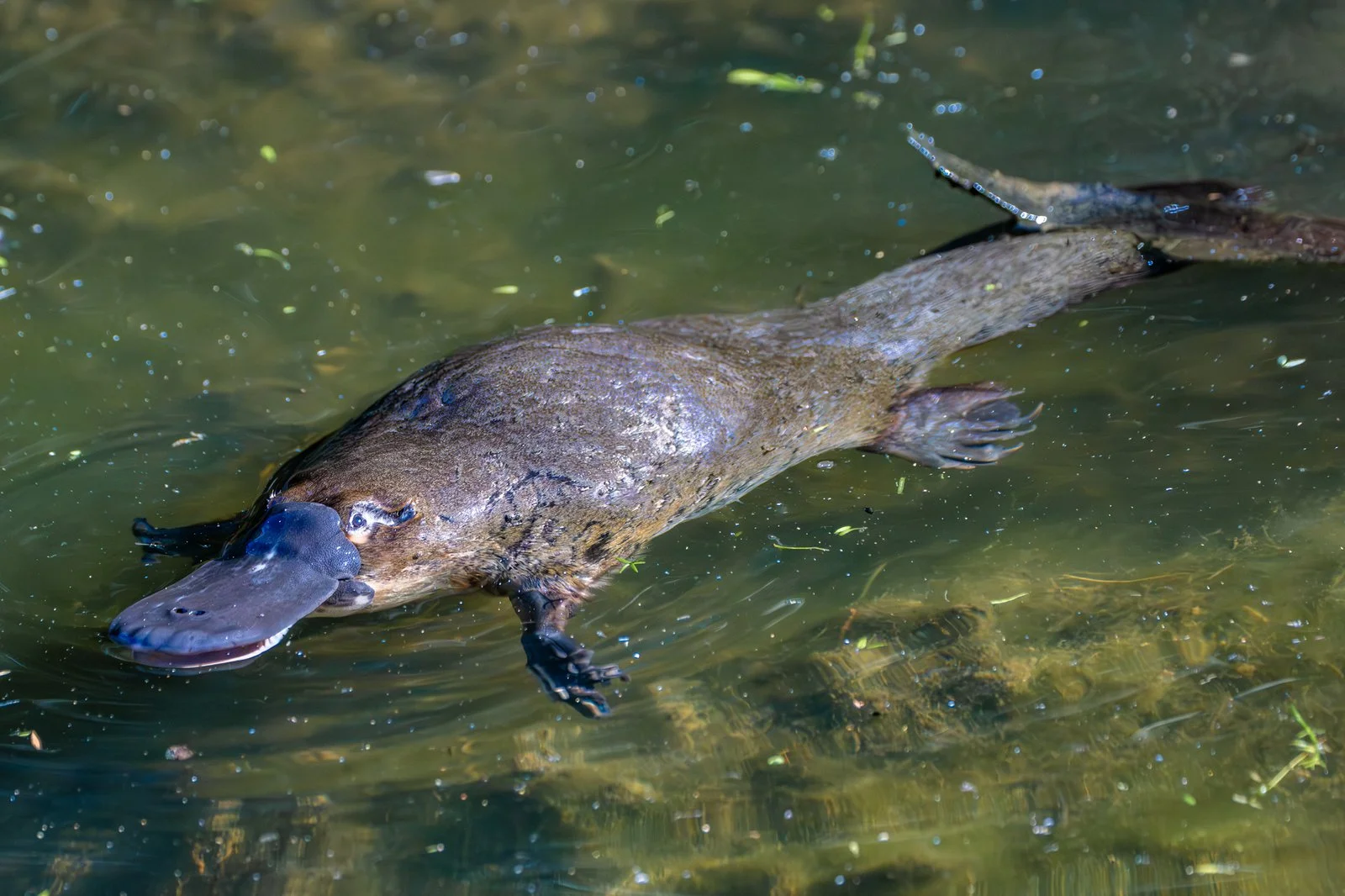
Wacol platypus monitoring
Photo Credit: Australian Museum

Habitat Restoration Efforts in Wacol

In January 2025, a platypus habitat restoration project was launched at Bullockhead Creek in Wacol. The site is regarded as an important refuge for Brisbane’s remaining platypus, with only 35 sightings reported across the city the previous year.

The project received $1.9 million in funding to rehabilitate 4.5 hectares of creek habitat. Key works include weed removal, habitat repair and revegetation using native species to stabilise banks and improve ecological conditions.

Ongoing research into platypus movements forms part of this strategy, supported by DNA sampling at 100 sites in Brisbane.

Community and Stakeholder Involvement

Local environmental groups and researchers have expressed support for the restoration work at Wacol. Community-led monitoring efforts such as PlatyCount continue to contribute data, complementing formal eDNA surveys undertaken across South East Queensland.

Outlook for Platypus Conservation in Wacol

Monitoring under the Resilient Rivers SEQ program will continue over the next two years, informing habitat restoration, waterway management and long-term biodiversity planning.


In Wacol, early-2025 restoration works are expected to improve local conditions, supporting the survival of remaining platypus populations and guiding future conservation efforts.

Updated 25-November-2025

Volunteer Call for Wildlife Survey in Wacol

What’s swimming, slithering or paddling through our local creeks? A major five-year wildlife survey environmental DNA from local creek systems in Wacol is about to find out—and locals from the area and across the Centenary suburbs are being called on to help.


Creek Sampling with Cutting-Edge Science

The project, led by the Wildlife Preservation Society of Queensland (WPSQ) and Wolston & Centenary Catchments (WaCC), will use environmental DNA (eDNA) sampling to detect traces of animals in waterways. From late August to September, volunteers will collect water samples from 12 sites along Bullockhead Creek, Sandy Creek and their tributaries.

Each sample is analysed in a lab to identify species—from elusive platypus and rakali to native fish, frogs, and turtles—without disturbing their habitats. The data will be compared year-on-year to track population changes and the impact of urban pressures on local biodiversity.

Why This Matters

These creeks form part of a vital wildlife corridor linking the Brisbane River to surrounding bushland. By mapping the species that live here, scientists can better protect threatened fauna and identify areas needing habitat restoration. The survey also complements earlier monitoring projects in the area, including camera trapping for koalas and waterway health assessments.

The project will apply vertebrate metabarcoding techniques to collect eDNA from water bodies. This method allows researchers to detect species by analysing DNA fragments left behind in the environment. Data collected over the five-year period will help track species presence, highlight pollution impacts, and identify long-term ecological trends.

The Wacol catchment region has already been the focus of previous fauna and flora monitoring, including nest box installations in Riverhills and platypus and koala tracking in nearby bushland reserves. eDNA testing has previously been used to confirm platypus presence in the creeks, although visual observations remain necessary to support the findings due to limitations in the method.

How You Can Get Involved

No specialist skills are required—training is provided. Volunteers will assist with collecting, labelling and delivering samples, as well as logging site conditions. The project runs for five years, offering multiple opportunities to participate.

Interested community members are encouraged to register through a formal expression of interest process. Volunteers may assist with data collection, monitoring, and observation logging across the five-year timeline. This builds on an existing tradition of community involvement in environmental work throughout the Wacol area.

Similar community-supported efforts include the koala research program at Pooh Corner and Wacol Bushland Reserves, where trained residents have tracked released koalas and recorded habitat use, including preferred tree species like blue gum and gum-topped box.

Complementary Efforts

Citizen science has long played a role in shaping conservation actions within the region. In 2024, twelve artificial nest boxes were installed in Riverhills to provide nesting opportunities for native species in an area lacking suitable tree hollows. These installations have already been used by rainbow lorikeets and possums, based on follow-up monitoring.

The nest boxes are now subject to routine inspections with help from trained community members. A citizen science workshop conducted in late 2024 involved adults and children learning how to use inspection cameras and report findings for monitoring.

Next Steps

The upcoming eDNA survey presents another opportunity for the Wacol community to contribute to ongoing ecological monitoring. Expressions of interest are now open online for those who wish to participate ahead of the August/September 2025 launch.


Findings from the project will inform biodiversity mapping, conservation planning, and future habitat restoration efforts in the catchment.

Published 26-July-2025