


Did you know that Pooh Corner Bushland Reserve in Wacol was once facing the prospect of becoming an industrial estate?
Read: Furry Hope: Adam Joins Thriving Koala Community in Wacol
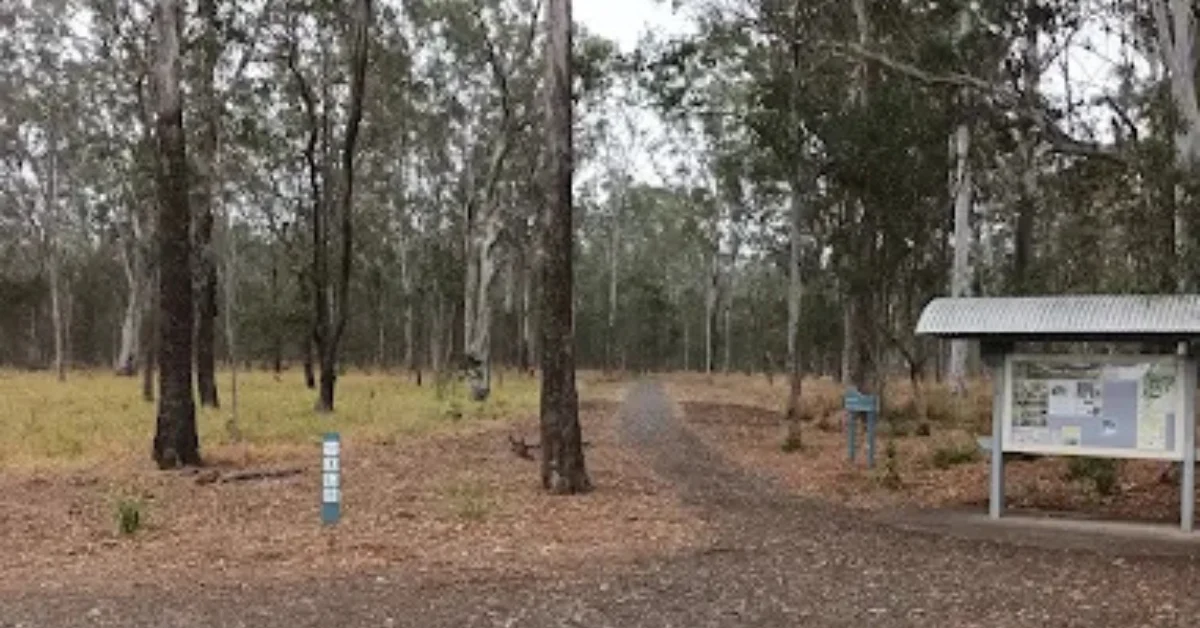
More than 20 years ago, the 1.4-square-kilometre parcel of bushland was surplus Defence land and had been put up for sale. A campaign led by Friends of Pooh Corner, with support from Centenary and District Environment Action (CDEA), helped change its future.
In April 2005, after an intense two-week public awareness campaign, the proposed sale was halted. Instead, the Commonwealth transferred the land to Brisbane for a nominal $1, with the site to be managed as a nature conservation reserve.
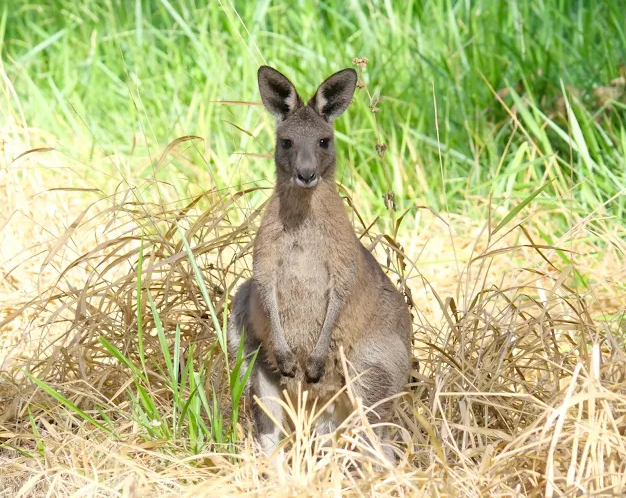
The campaign focused heavily on the environmental value of the property. Campaign material identified its vegetation as Regional Ecosystem 12.3.3, classified as an endangered regional ecosystem. The campaign summary also describes the 138-hectare property as containing ecologically high-quality tall open forest and around two kilometres of Sandy Creek.
But Pooh Corner’s history does not stop with its conservation story. The reserve also contains remnants connected to Wacol’s wartime past.
A Small Part Of Camp Columbia
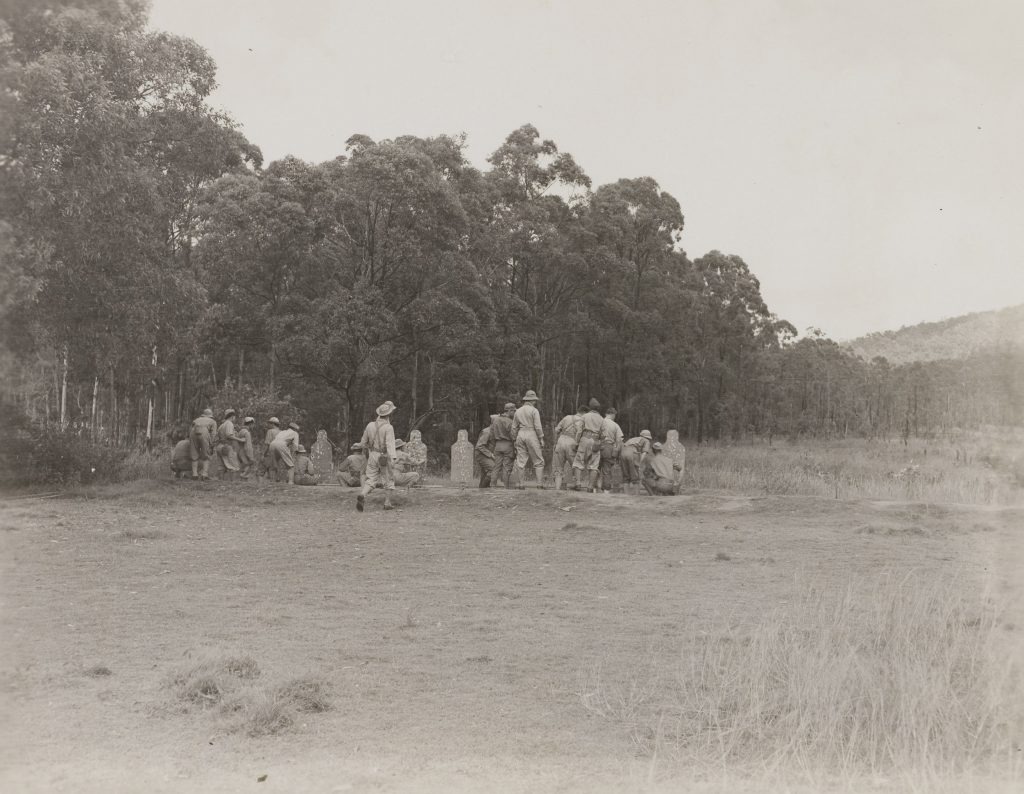
During World War II, the land that is now Pooh Corner Bushland Reserve was only a small part of the much larger Camp Columbia military area.
Historical research by the Camp Columbia Heritage Association records Camp Columbia as a United States Army staging camp established in Wacol in 1942. The camp was associated with General Douglas MacArthur and the wider Allied military effort in the South West Pacific.
Camp Columbia extended well beyond today’s reserve, with military facilities spread across a large part of Wacol.
Much of that wartime infrastructure has since disappeared. According to CCHA’s historical research, later institutional development altered large sections of the former Camp Columbia area, while portions within Pooh Corner and Wacol Bushlands reserves retained surviving relics.
Within Pooh Corner are remnants associated with the former Camp Columbia sewerage system, including remains of a sewerage treatment plant, pipes and other structures. CCHA’s historical mapping has also been used to identify former buildings and infrastructure across the wider former camp area. The result is a landscape where natural and historical features exist side by side.
From Defence Land To Conservation Reserve
The campaign to protect Pooh Corner began after the Defence property was put up for sale in February 2005. Friends of Pooh Corner formed in response and organised a concentrated public campaign aimed at stopping the land from being sold for development. CDEA was among the groups supporting the effort.
By the end of April, Federal authorities announced that the 1.4-square-kilometre property would no longer be sold to developers. The land was instead transferred to Brisbane for $1 to be managed as a bushland reserve for nature conservation.
The successful campaign changed the fate of a substantial piece of Wacol bushland. More than two decades later, the reserve remains protected, while its surviving Camp Columbia remnants provide a physical link to the area’s wartime history.
Wacol’s Wartime Past
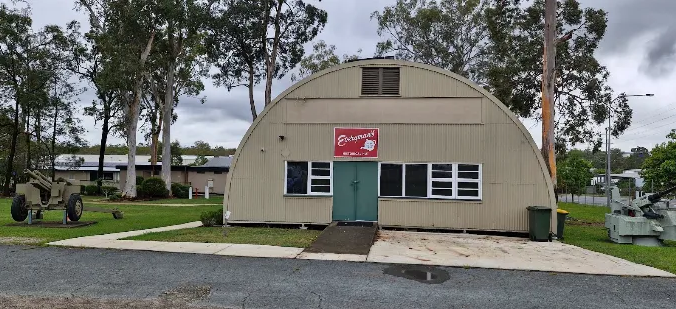
Interest in Camp Columbia’s history has continued long after the wartime camp disappeared. The Camp Columbia Heritage Association became an incorporated association in 2023, building on earlier work to research and document the former military camp and its later history.
CCHA has used historic maps, aerial photographs and Google Earth mapping to examine the former camp’s layout and compare it with present-day Wacol. Its research shows how much of the original military landscape has changed, while also identifying areas where remnants remain.
Pooh Corner is one of those surviving areas. The reserve is therefore significant for two closely connected reasons. Its conservation value helped secure its protection in 2005, and the reserve also retains remnants of Camp Columbia.
Read: Volunteer Call for Wildlife Survey in Wacol
For Wacol, Pooh Corner preserves part of a landscape shaped by endangered vegetation, Sandy Creek and a major World War II military camp.
More than 20 years after the campaign to save it, the reserve remains a tangible link between Wacol’s environmental and wartime history.
Published 24-August-2026