


The program was announced in early October 2025 and will be delivered across the 2025–26 financial year. Confirmed recipients include the Scouts Association – West Centenary site in Darra, the Western Districts Baseball Club at Atthows Park on Sumners Road in Darra, and the Taringa Rovers facility operating from a Wacol address on Grindle Road.
Photo Credit: Taringa Rovers/Google Maps
Each will receive new solar infrastructure ranging from around 6 kW to more than 18 kW in size. These upgrades are part of a wider rollout across 26 Brisbane community facilities in the current stage.
Program Aims To Lower Costs For Local Families
Brisbane City Council has stated the initiative is focused on easing cost pressures for families and volunteer-run community groups. Savings generated from lower power bills are expected to be redirected to programs, facility maintenance, and member services.
Photo Credit: Western Districts Baseball Club/Google Maps
Brisbane Sustainability Agency provided statements supporting the program, which aligns with Council’s emissions reduction strategy.
Part Of A Broader Clean Energy Rollout
Council has already installed more than seven megawatts of solar capacity across its facilities, with the total set to reach 7.5 megawatts after this stage is complete. The city has a target of cutting its carbon emissions by 30 per cent by 2031–32.
Photo Credit: Canva / For Illustration Purpose Only
Council has framed the initiative as both an environmental and community cost-of-living measure rather than a political announcement.
Direct Local Relevance To Centenary Residents
With Darra and Wacol sites in the rollout, Centenary-area clubs such as Scouts and local sports will see neighbourhood-level benefits.
These organisations are expected to see immediate improvements in operating costs once the systems are switched on, reinforcing Council’s focus on helping grassroots clubs remain sustainable.
Centenary, as it is known today, consists of several suburbs namely, Jindalee, Mount Ommaney, Jamboree Heights, Middle Park, Westlake, Riverhills, Sumner, Sinnamon Park, and Seventeen Mile Rocks.
Do you know how and why Centenary was formed? Let’s take a look back at the historic past of Centenary and the origins of the names of its suburbs.
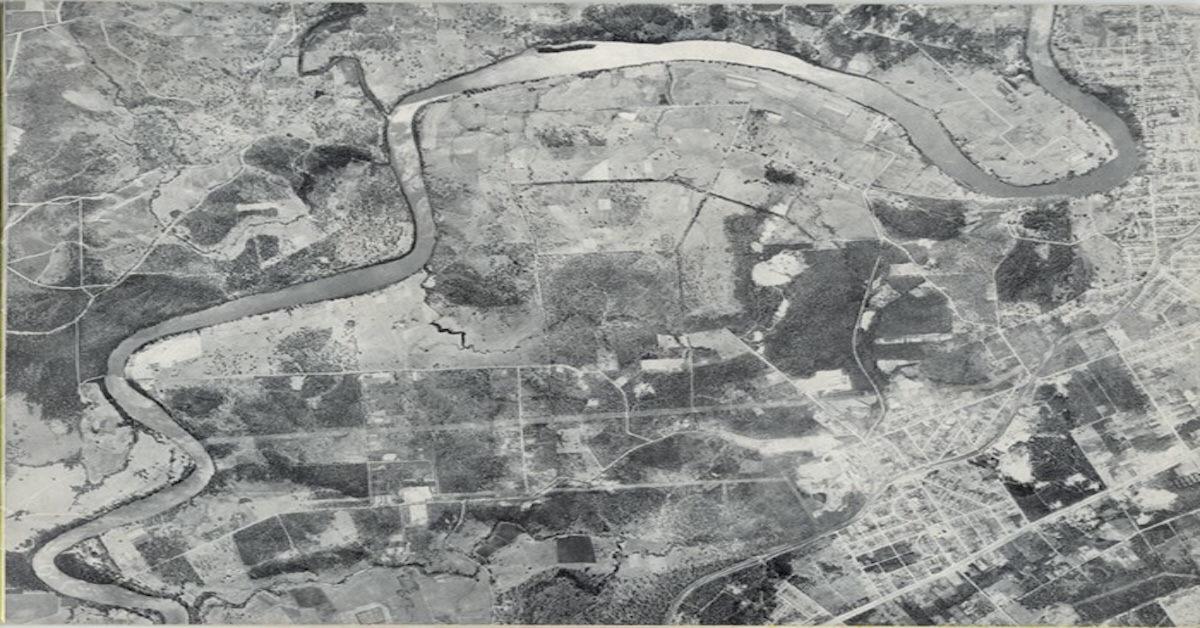
Photo credit: cshsoc.org.au
In 1959, Queensland’s Centenary Year, a land developer named Hooker Rex planned the Centenary project. The project was a suburban development proposal that included a number of neighbourhoods with their own services and facilities that are capable of providing for all the needs of its residents.
The development started with the purchase of farmland in 1960. The contract for 1,416 hectare-development was agreed upon by the Council in 1961.
Photo credit: Kgbo/Wikimedia Commons
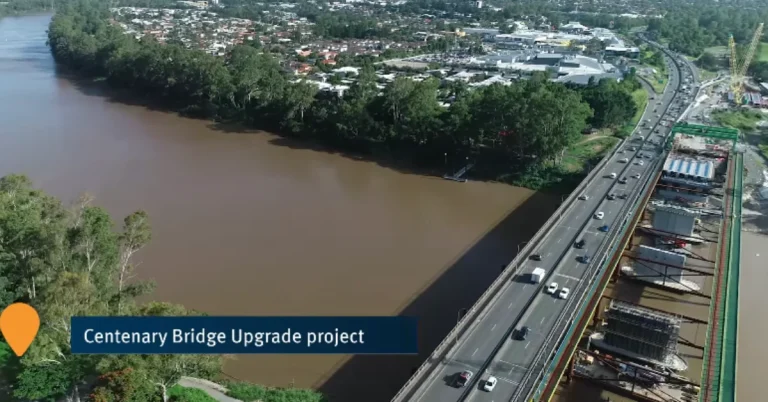
The Centenary Bridge and Highway were among the most important parts of the development as it provided access to and from the city and the northern suburbs. Officially opened on 14 October 1964, the Centenary Bridge was financed by the developers while the Centenary Highway was built by the Brisbane City Council still at the developers’ expense.
The suburbs and industrial estates that were planned to be a part of the Centenary project were Jindalee, Jamboree Heights, Mount Ommaney, Riverhills, Westlake, Middle Park, and Sumner. Meanwhile, Seventeen Mile Rocks and Sinnamon Park were developed separately.
Photo credit: Facebook/Brisbane Retro
The development was under the management of a public company called the Centenary Estates Limited for six years. In October 1967, the private shareholders were bought out by the Hooker Corporation Limited and the entire project was once again owned by the corporation.
The Establishment of the Centenary Suburbs
Jindalee
Photo credit: Twitter/Property Observer
Jindalee is an Aboriginal word which means “bare hills”. The establishment of the suburb in September 1962 brought the first public transport in the area, a bus going to and from Oxley Station.
Among the earliest establishments in the district were the Jindalee Golf Course, Swimming Pool, Bowls Club and the Looranah St. shopping centre. With its well-established golf course, swimming pool, and sporting facilities, it wasn’t long before Jindalee became a centre for sporting activities.
Jamboree Heights
Jamboree Heights was initially a part of Jindalee. When the Boy Scout held it’s Eighth Australian Pan-Pacific Scout Jamboree in Brisbane, Hooker Centenary provided the site. Later on, the place came to be called Jamboree Heights.
The 50th Anniversary of that historic Jamboree was celebrated in Jamboree Heights in January 2018. During that time, the participants learned more about the first Queensland Jamboree in 1967-1968.
Mount Ommaney is considerably larger than Jindalee and Jamboree Heights. Despite the sloping nature of the terrain in the area, Hooker Centenary was able to develop a number of “Private Courts” in Mount Ommaney in January 1970, a feat considered a first in Australia.
Photo credit: www.mcleodgolf.com.au
Each private court contains approximately seven homes, each with their own private entrance and shared private ownership of internal roads and nature strips.
Mount Ommaney became a prestige homesite that offers excellent views of the mountains and the city.
The suburb is also home to the first women’s golf club in Australia, the McLeod Country Golf Club, which was completed in 1969. The original golf club was comprised of 9 holes and a clubhouse. It was later extended to a full complement of 18 holes in 1971.
Riverhills
Photo credit: realestate.com.au
Riverhills is named for its ideal location offering sweeping panoramic views of the Brisbane River. In January 1973, it was mainly marketed by the developer as a suburb for young people with young families, designed with a cul-de-sac concept that focuses on having a quiet environment with lots of privacy. Many of its streets were named after rivers, lakes, and other waterways of the world.
Westlake
Photo credit: raywhitecentenary.com
Westlake was named by the developers in June 1973 for its nine-hectare freshwater lake. The developers maximised the landscape to give most of its homesites a view of the vast lake.
Sumner
Sumner was named after the Sumner family who had been farmers and landholders in the area. Though the name was originally given to a road, the suburb later adapted the name in 1969.
Seventeen Mile Rocks
Photo credit: Google Street View
The Seventeen Mile Rocks suburb used to include Sinnamon Park in 1975 as it extended farther west. With the development of Sinnamon Park, the boundaries of the suburb changed and currently, part of the Edenbrooke Estate is in Seventeen Mile Rocks and part in Sinnamon Park.
Seventeen Mile Rocks have gone through several developments under different estate developers namely ECOSSE Investments Pty Ltd, BMD Constructions, Baldwin-Riverlands, and Verandah.
Middle Park
Middle Park was strategically named by the developers in July 1976 to reflect its location in the middle of the Centenary Suburbs. The area offers northerly views of the McLeod Country Golf Club.
Sinnamon Park
In 1989, Sinnamon Park was developed originating from the suburb Seventeen Mile Rocks. The new suburb was named after the family of James Sinnamon and Margaret, who were the pioneer European settlers in the area.
Photo credit: monumentaustralia.org.au
Today, Sinnamon Park houses a memorial dedicated to Thomas Macleod to celebrate his historic flights on 22 December 1910.
These are the historical origins of the names of the Centenary Suburbs. To have a deeper grasp on the history of Centenary, visit Centenary Suburbs Historical Society Inc.
Fifty-seven seconds. That’s all it took for Teremoana Teremoana Jnr to send a thunderous message to the boxing world. The pride of Centenary State High School and the rising star of Australian boxing returned to home soil with a devastating first-round knockout, leaving no doubt that he’s a force to be reckoned with.
The atmosphere at the Gold Coast Convention Centre crackled with anticipation as the crowd roared for Teremoana Jnr to enter the fray against Germany’s Osasu Otobo. Already a knockout artist with a 5–0 professional record, the 26-year-old heavyweight carried himself with an aura of quiet power.
From the opening bell, Teremoana Jnr’s dominance was undeniable. Towering at 1.98-metres, he moved with surprising agility, unleashing a barrage of left hooks to Otobo’s body—each blow echoing through the arena. Then, a lightning-fast left hand found its mark on Otobo’s head, sending him crashing to the canvas. Dazed, the 23-year-old German was unable to answer the referee’s count, and the fight was waved off a mere 57 seconds into the first round.
The crowd erupted in cheers for the young victor. Teremoana Jnr, clearly elated by the support, expressed his gratitude to the fans and his team. “It’s so great to be back here fighting in Australia,” he said. “You’re such a great crowd.”
This wasn’t just another win; it was a powerful statement to the boxing world. Eddie Hearn, the renowned boxing promoter, was ringside and couldn’t contain his excitement. “Australian boxing is on fire right now,” he declared. “This is the future.”
The park on Monier Park Road in Darra has raised concerns among residents who question the safety standards.
Once a landfill site, the outdoor space was transformed into a park featuring a BMX facility and opened to the public in 2019. Resident Kerrie Bolte and other community members recently approached the local council with a proposal to designate a park section as an off-leash area for dogs. They argued that the area needed more utilised and located a significant distance from the BMX track. This request came in response to increased enforcement of leash laws and fines for dog owners.
Photo Credit: Pexels
However, Councillor Sarah Hutton of the Jamboree Ward rejected the proposal, citing the park’s designation as a District General Outdoor Sports area according to the City Plan 2014. Crucially, Cr Hutton’s response revealed that the former landfill site has minimal capping over the historic waste – as little as 5cm in some areas. Due to safety concerns, council standards require a minimum depth of 30cm for off-leash dog areas.
Ms Bolte expressed her shock at the councillor’s response, questioning the logic of deeming the park safe for children to play sports on while considering it unsafe for dogs. She highlighted the inconsistency and raised concerns about the potential hazards of the thin covering layer over the former landfill.
Photo Credit: Pexels
Cr Hutton maintained that Monier Road Park is a safe and enjoyable space for children to play in but unsuitable for dogs that may dig deep holes. She emphasised the numerous dog parks within walking distance as alternative options for dog owners.
This situation has raised questions about the adequacy of the site assessment and the potential risks associated with its former use. Residents are now seeking clarification on the safety standards for parks built on reclaimed land.
The National Heavy Vehicle Regulator has identified the Centenary Motorway as one of the main southeast Queensland targets for enforcement of new mobile cameras.
The regulator has invested in 40 mobile cameras equipped with automatic number plate recognition technology, with eight units currently allocated to Queensland. The number is expected to increase to 10 cameras operating on Queensland roads by mid-2025.
The cameras have been positioned on major trucking routes from the Gold Coast to Cairns, and west to Chinchilla and Emerald. Key enforcement locations include the Centenary Motorway, Logan Motorway, Pacific Motorway, Bruce Highway, and Mount Lindesay Highway.
Mobile ANPR Camera on a vehicle Photo Credit: NHVR
Breaches detected through the camera system can result in fines ranging from several hundred dollars to over $700 for serious offences under the Heavy Vehicle National Law. Regulator officers monitor the cameras and can intercept vehicles for safety checks and issue on-spot fines.
The technology allows officers to identify potentially unregistered or defective vehicles, as well as monitor driver fatigue compliance. The system will also collect data about heavy vehicle movements to help authorities allocate safety resources effectively.
National Heavy Vehicle Regulator Chief Operations Officer Michelle Tayler confirmed that detection by a camera does not automatically result in fines. “These high-tech monitoring cameras help the regulator obtain information on Australia’s heavy vehicle fleet, and encourage safer driving practices on heavy vehicle routes and freight networks,” she said.
According to Tayler, the cameras are mobile and can be relocated to different sites along busy freight routes. All footage is stored securely in accordance with the regulator’s privacy policy.
Jindalee State School invites you to step into a world of enchantment at its annual fete. Prepare to be captivated by a day brimming with fun, food, and festivities, all inspired by the theme of “Myths & Legends.”
On 25 August from 11:00 a.m. to 7:00 p.m., immerse yourself in a captivating experience filled with thrilling rides, delectable treats, and enchanting activities for all ages.
The fete will weave together various activities and attractions to delight every visitor. Thrill-seekers can embark on exhilarating rides like the Wild Octopus, while families can enjoy classic favourites like Tea Cups and Pony Rides.
Foodies will rejoice in the diverse culinary offerings from various food stalls, and craft enthusiasts can explore booths showcasing the talents of local artisans. A spectacular fireworks display will culminate the day, leaving a lasting impression on all attendees.
This is not just a day of fun; it’s also a crucial fundraising initiative to enhance the school’s facilities. Entry is free, and all are welcome to join in the celebration. The event’s cashless system, with ride passes available for $30, ensures visitors a seamless and convenient experience.
With the support of the Brisbane City Council, this event is expected to be a well-organised and enjoyable community event.
Whether you’re drawn to the thrilling rides, the delicious food, the captivating crafts, or the vibrant atmosphere, the fete promises a memorable day for all who attend.
Rising boxing star and Centenary State High School’s Teremoana Teremoana has been eliminated from the Paris Olympics after a closely contested match against defending champion Bakhodir Jalolov of Uzbekistan. The quarter-final bout in the 92kg+ category ended in a 5-0 decision in favour of Jalolov, despite a spirited performance from the Australian.
The quarter-final match saw Teremoana putting up a strong fight against his more experienced opponent. The 26-year-old Queenslander came out aggressively in the opening round, frequently forcing Jalolov against the ropes. However, the judges awarded the first round to the Uzbek boxer in a close decision.
Jalolov gained momentum in the second round with several early hits, though the Australian rallied late. The final round saw Jalolov secure points from all five judges, resulting in a unanimous decision.
Teremoana remains positive
Despite the loss, the boxer maintains his trademark optimism. “I guess it just wasn’t my time to get a medal,” he says. “I know I’ve done my family proud, done my country proud and made a little bit of history along the way.”
He expresses confidence in his abilities, stating, “I still believe I’m the best in the world, and unfortunately it’s not my day today.”
He plans to enjoy the rest of his Olympic experience before deciding on his future in the sport. He mentions the possibility of competing in the 2028 Los Angeles Olympics, saying, “I’ve given myself until 2030 to box … so LA possibly because it’s in the time frame, we’ll see how we go.”
Prior to his quarter-final match, Teremoana made history as the first Australian to win an Olympic fight in the super heavyweight division. His round of 16 bout ended with a knockout victory over Ukraine’s Dmytro Lovchynskyi, showcasing his improved performance since their last encounter.
Teremoana, formerly known as Samson, changed his name to honour his late grandfather. This decision, along with his commitment to not cutting his hair, reflects his strong connection to his Cook Islands heritage.
Sporty kids at the Centenary Little Athletics Centre will soon get to enjoy brand-new equipment, thanks to the support of the inaugural Banana A-Peel initiative launched early in the year.
The fundraiser, spearheaded for the Coles Little Athletics Community Fund, directed 10 cents of every kilogram of Cavendish bananas sold in Coles supermarkets with the support of banana growers and customers.
Centenary Little Athletics Centre Manager Bobby-Rae Cole said that the cash boost from the initiative is a big help in its rebuilding and recovery efforts from the recent floods in Brisbane.
“Over the past four years our club has undertaken an equipment renewal and expansion process, starting with an equipment shed upgrade in 2019, followed by the purchase of much-needed equipment and upgrades to our facilities and grounds,” Ms Cole said.
“Unfortunately, the location of our centre means we’re susceptible to flood damage. This occurred during the 2011 floods, which saw 90% of our equipment destroyed and more recently in February 2022, when our infrastructure was once again under water to the height of two metres.”
“This time, due to the efforts our volunteers and community, the equipment loss was minimized, but we still have some damaged equipment to replace. This funding from Coles will enable us to replace our Tiny Tots equipment to support kids aged 3 to 4 years old.”
Photo Credit: Supplied
Coles State General Manager Jerry Farrell said that over $250,000 in sports equipment grants were distributed to 73 Little Athletics centres across Australia in the latest round of grants from the Coles Little Athletics Community Fund.
“Coles has been a proud supporter of Little Athletics for over five years, and we’re delighted to provide nearly $50,000 in sports equipment grants to Queensland’s Little Athletics centres to help them gear up for this season,” Mr Farrell said.
“We’re particularly delighted to help centres that were affected by the floods earlier this year so that they can replace some of their equipment. We know very well the devastating impact these floods have had on local clubs and communities, and we hope these grants will help them to recover.”
In addition to the distribution of sports equipment grants, Coles will continue to support Little Athletics centres across Queensland with banana donations from local supermarkets throughout the season.
The Italian-owned IVECO, or Industrial Vehicles Corporation, has relocated their Brisbane branch to Wacol, seeking a long-term investment in Queensland’s commercial vehicle market.
Spanning 22,000 square metres, with 7,000 square metres taking up warehousing, office space and service space, the new IVECO Brisbane is equipped with state-of-the-art servicing equipment and diagnostic tools to help their technicians repair and maintain company vehicles.
The facility is also home to a drivers’ lounge with sleeping quarters and bathrooms, as well as a customers lounge for visitors to relax. The warehouse and service area, on the other hand, contains a drive-through, an undercover concierge-style drop-off zone, and spaces for large on-site stockholdings.
Earlier in 2020, IVECO Australia announced that local production would continue amidst the pandemic and remain fully operational across the country, primarily in Melbourne. Following the transference of their Brisbane branch to Wacol, complete with new upgrades and facilities, IVECO intends to offer improved services to their customers.
Customer response following the relocation of IVECO Brisbane has generally been well-received, with the company seeing positive feedback from clients and IVECO owners.
IVECO Brisbane can be found at 20 Westgate St, Wacol. Those interested in learning more about the company can visit their website here. For the latest updates and announcements concerning the Brisbane branch, follow their social media accounts on Facebook and Twitter.
Finally, some good news for those who brave traffic everyday! The Sumners Road Interchange Project Updateis almost complete.
Speaking in a live broadcast while on progress inspection in January, Member for Mount Ommaney Jess Pugh can’t help but express her satisfaction as the $80 million project is fast becoming a reality.
“I’m so excited to be here today to have a look at the six newly opened lanes on the Sumner road overpass. This project has been years in the making. And I really thank my community for putting up with the construction that’s been going on for the last few years. We’re almost there now and as you can see the final result is absolutely going to be worth the wait.”
Queensland’s Department of Transport and Main Roads awarded the design contract in late 2018 for this project. In 2019, early works were started to address heavy traffic suffered by more than 35,000 motorists traversing the area.
In these three years, the Sumners Road Interchange Project features a new two-lane eastbound bridge and a new four-lane westbound bridge with an underpass below the western intersection that will link up with the Centenary Motorway Bikeway.
Miss Pugh shares that “The road overpass has now got triple capacity over the bridge and that’s absolutely critical for the business hubs that are growing and thriving in the Sumner area and the Darra area and this bridge connects those two.”
Photo Credit: Project Map for the Sumners Road Interchange/ Queensland Government
“It also connects the Centenary community with the Darra train station, which means that people now have quick access to an express station. And that’s now a viable option for them, previously local residents were waiting up to 20 minutes to cross this bridge in the mornings to get out of Centenary suburbs. That will be a thing of the past with this fantastic new upgrade.”
2021 marks the year of massive building programs for travel and transportation in Queensland. Transport and Main Roads Minister Mark Bailey pronounced that this is a part of a $50 billion budget ensured by the government to build infrastructure and create more jobs as the global health crisis continues.