


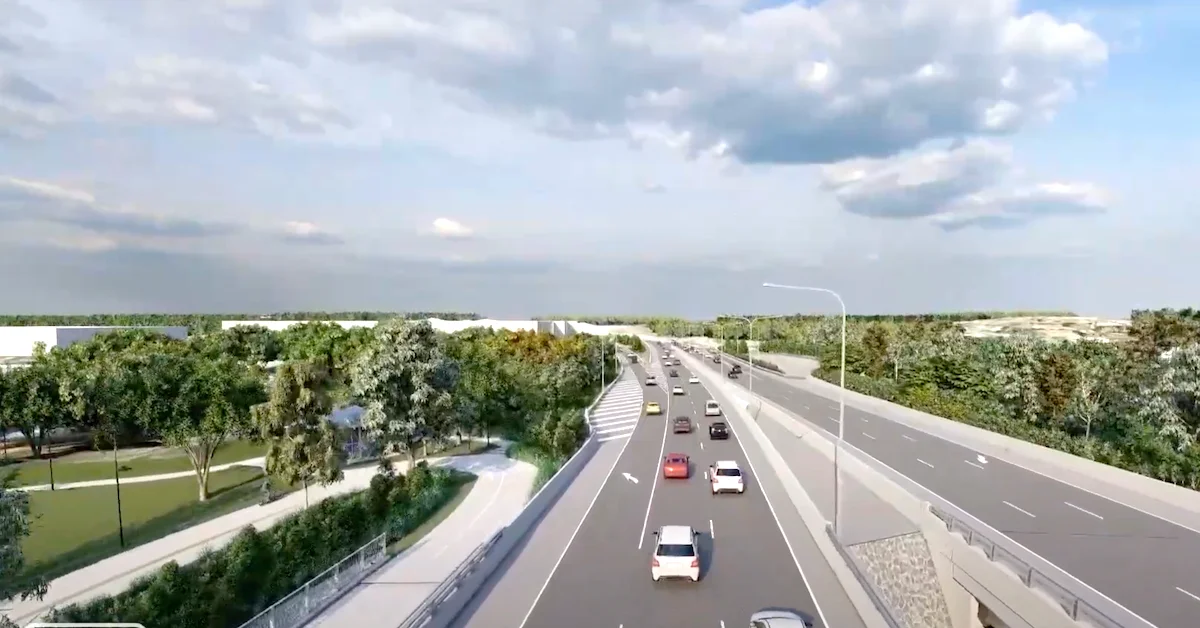
Southbound Centenary Bridge Reconstruction Set to Begin in 2026

The next major stage of the Centenary Bridge Upgrade is on the horizon, with reconstruction works on the southbound side of the Centenary Bridge expected to commence in 2026.


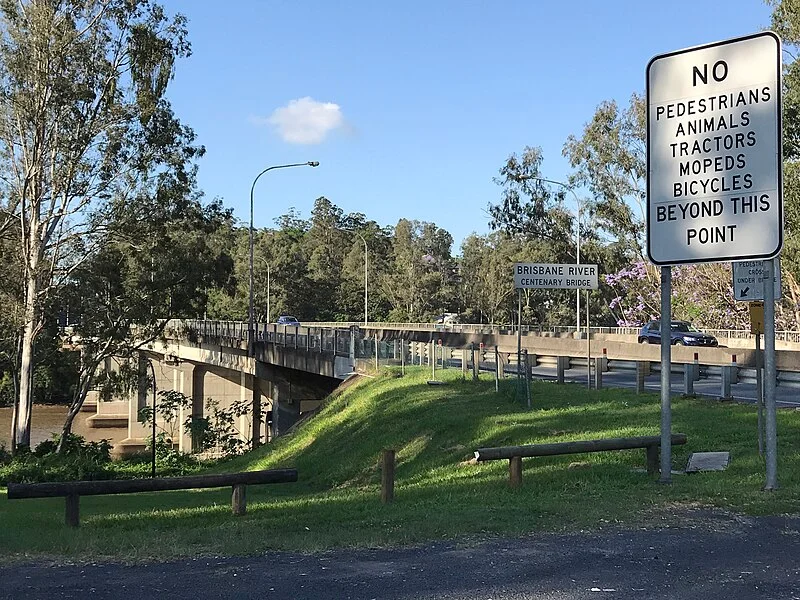
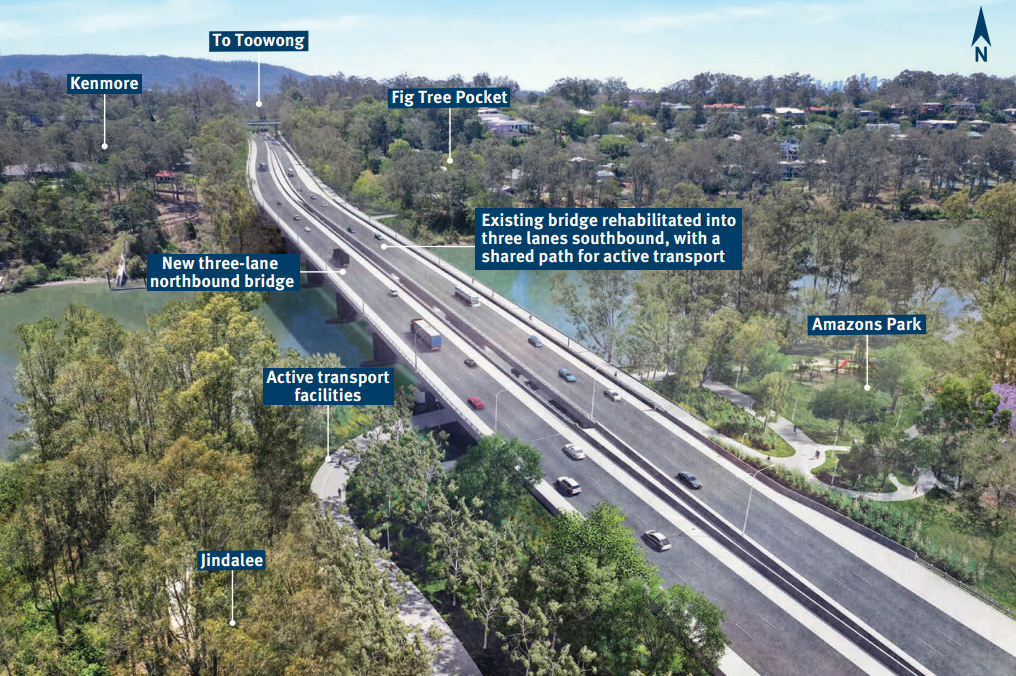
Following the recent opening of the new northbound bridge to traffic, attention will soon turn to the original bridge structure, which will be rebuilt to form a modern, three-lane southbound crossing over the Brisbane River at Jindalee.

Once reconstruction begins, the existing bridge will undergo extensive works to upgrade its structure, road surface and safety features. When complete, the southbound bridge will match the new northbound crossing, delivering six traffic lanes across the river and significantly improving capacity along the Centenary Motorway corridor.

The southbound upgrade is expected to bring long-term benefits for the local community, including smoother traffic flow during peak periods, improved travel time reliability and a safer driving environment. Longer merge lanes and modern design standards are intended to reduce congestion and ease pressure on surrounding local roads.

Photo Credit: TMRQld

Active transport users can also expect improvements. The broader Centenary Bridge Upgrade includes enhanced pedestrian and cycling connections, linking more seamlessly with existing shared paths and improving accessibility for residents travelling between Jindalee, Sinnamon Park and surrounding suburbs.

Importantly, the project has been staged to keep traffic moving throughout construction. With northbound traffic now using the new bridge, reconstruction of the southbound structure can proceed while maintaining lanes in both directions, minimising disruption for road users.

The Centenary Bridge Upgrade forms part of a wider investment in the Centenary Motorway, a key transport spine for Brisbane’s western suburbs. With traffic volumes continuing to grow, the southbound reconstruction represents a critical step in future-proofing the corridor for decades to come.


Published 9-Jan-2026

Major Construction Milestone for Centenary Bridge Upgrade in Jindalee

The Centenary Bridge Upgrade in Jindalee has reached a significant construction milestone. Installation of the first concrete girders has begun.


Project Background and Scope

The Centenary Bridge Upgrade spans the Brisbane River between Sinnamon Road, Jindalee, and Kenmore Road. It forms part of a staged improvement program along the Centenary Motorway. It is designed to meet long-term transport demands between Brisbane’s western suburbs and the CBD. A construction contract was awarded in December 2022, and works are currently underway.

The project involves constructing a new three-lane northbound bridge. This will convert the existing bridge into three southbound lanes. A key feature of the upgrade includes enhanced active transport facilities, with a dedicated path for pedestrians and cyclists linking to the Western Freeway Bikeway. The Jindalee Skate Park is being retained within the project footprint.

Centenary Bridge Upgrade
Photo Credit: TMR Qld

Key Technical Milestone Achieved

A major development has been marked by the installation of the first concrete girders on the new northbound structure. These girders, measuring between 34 and 48 metres in length, are being produced on-site at a precast facility just north of Sinnamon Road. A total of 30 girders will be manufactured as part of the bridge construction.

This step signals visible progress in the build, which aims to reduce congestion, improve safety, and increase capacity on a major arterial route.

Funding and Investment

The project is jointly funded by the State and the Australian Government. As of the December 2023 update, the total investment stands at $298.5 million. This includes $159.25 million from the Queensland Government and $139.25 million from the Australian Government (Investment ID 669801).

Centenary Bridge Jindalee
Photo Credit: TMR Qld

Public Opinion and Community Sentiment

Public responses to the milestone have been mixed. Some residents expressed frustration over the perceived slow pace of progress, with several noting that the upgrade merely shifts the existing bottleneck further along the motorway. Others raised concerns about the timing and extent of shared path improvements, particularly regarding pedestrian and cyclist access during construction.

Despite criticism, some members of the public acknowledged the anticipated benefits of increased bridge capacity and active transport improvements, particularly in the lead-up to Brisbane’s future growth needs.

Next Steps and Broader Implications

The bridge upgrade forms part of broader planning studies examining possible staged improvements along the Centenary Motorway corridor, including sections beyond Jindalee.


Work will continue on completing the remaining girders, installing active transport links, and rehabilitating the existing bridge for southbound use. Updates on construction staging are anticipated in future communications.

Published 24-Apr-2025

RACQ Flags Centenary Motorway as Brisbane’s Worst for Morning Traffic

Commuters travelling Brisbane’s Centenary Motorway are losing over 28 hours each year to traffic delays, with RACQ naming it one of the region’s worst peak-hour choke points.


Centenary Motorway Delays Cost Drivers 28 Hours a Year

Drivers travelling the Centenary Motorway between Ipswich Motorway and Fig Tree Pocket Road are losing more than 28 hours every year to traffic delays, the worst congestion in Brisbane’s southwest, and a growing frustration for residents in Darra, Seventeen Mile Rocks and Fig Tree Pocket.

Photo Credit: Kgbo/Wikimedia Commons

Morning peak speeds on this stretch have dropped to 35.9 km/h, adding nearly seven minutes per trip compared to free-flowing traffic, according to the Royal Automobile Club of Queensland (RACQ) 2024 Travel Speeds Report on South East Queensland congestion.

Pressure mounting on key corridors

The RACQ reports the Centenary Motorway is among the slowest major routes during peak times, with worsening delays. Since 2019, morning speeds have fallen on 66% of Brisbane’s key roads, and afternoon congestion is rising. Traffic pressure has surged in suburbs along the Centenary Motorway due to population growth.

The report highlights how the extra travel time adds up quickly for regular commuters, especially those working standard full-time hours. That 7-minute delay each morning equals over 28 hours a year behind the wheel, based on a typical 48-week work year.

Neighbouring areas like Mount Ommaney and Jindalee are also affected by congestion on adjoining sections of the motorway, although the Ipswich-to-Fig Tree Pocket corridor remains the hardest hit.

RACQ calls for long-term transport planning

RACQ’s Head of Public Policy, Dr Michael Kane, warned that road widening isn’t enough to meet future demand. He called for long-term solutions, including improved public transport, smarter upgrades, and alternative travel options.

Photo Credit: Kgbo/Wikimedia Commons

RACQ has proposed extending Brisbane Metro into suburbs like Loganholme and Carseldine, and introducing electric Metro Gliders for faster city-bound routes.

Other ideas include better bike lanes and walkways to cut car use for short trips, but most plans are still in early stages, leaving residents to face worsening commutes.

Communities brace for Olympic growth

The push for faster action has taken on new urgency as Brisbane prepares for the 2032 Olympic Games. With major events planned across the city, including in the western suburbs, locals are worried that existing road networks won’t cope with increased demand.

With tourism and economic growth, traffic on the Centenary Motorway is set to rise. Renewed calls for a western bypass and outer ring road aim to ease pressure by diverting through-traffic.


Despite $1 billion in funding for transport projects, timelines remain unclear. Meanwhile, residents in Darra, Seventeen Mile Rocks, and Fig Tree Pocket endure slow commutes with no quick fix.

Published 9-April-2025

New Mobile Cameras Target Heavy Vehicles on Centenary Motorway

The National Heavy Vehicle Regulator has identified the Centenary Motorway as one of the main southeast Queensland targets for enforcement of new mobile cameras.


The regulator has invested in 40 mobile cameras equipped with automatic number plate recognition technology, with eight units currently allocated to Queensland. The number is expected to increase to 10 cameras operating on Queensland roads by mid-2025.

Mobile ANPR Drone Camera
Photo Credit: NHVR

The cameras have been positioned on major trucking routes from the Gold Coast to Cairns, and west to Chinchilla and Emerald. Key enforcement locations include the Centenary Motorway, Logan Motorway, Pacific Motorway, Bruce Highway, and Mount Lindesay Highway.

Mobile ANPR Camera on a vehicle
Photo Credit: NHVR

Breaches detected through the camera system can result in fines ranging from several hundred dollars to over $700 for serious offences under the Heavy Vehicle National Law. Regulator officers monitor the cameras and can intercept vehicles for safety checks and issue on-spot fines.

Mobile ANPR Trailer Camera
Photo Credit: NHVR

The technology allows officers to identify potentially unregistered or defective vehicles, as well as monitor driver fatigue compliance. The system will also collect data about heavy vehicle movements to help authorities allocate safety resources effectively.

National Heavy Vehicle Regulator Chief Operations Officer Michelle Tayler confirmed that detection by a camera does not automatically result in fines. “These high-tech monitoring cameras help the regulator obtain information on Australia’s heavy vehicle fleet, and encourage safer driving practices on heavy vehicle routes and freight networks,” she said.


According to Tayler, the cameras are mobile and can be relocated to different sites along busy freight routes. All footage is stored securely in accordance with the regulator’s privacy policy.

Published 23-October-2024

Centenary Motorway to Mark 100 Years with Tunnel Proposal Amidst Congestion Woes

The Centenary Motorway, a vital artery nearing its centennial anniversary, faces the prospect of a major transformation to address its chronic congestion problems.


Photo Credit: Queensland Government

A $10-million feasibility study into a tunnel linking Toowong to Darra has been unveiled, a move aimed at bypassing the notorious motorway. It highlighted the urgent need to alleviate the gridlock that has plagued the Centenary Motorway for years.

However, the RACQ has emphasised that any such tunnel must connect to the northside, bypassing the city entirely, to avoid shifting bottlenecks further north. RACQ pointed out that the motorway experiences severe congestion in both directions during peak hours, with speeds often crawling to around 37km/h.

While welcoming the initiative, RACQ stressed the importance of considering the broader picture.

“Any study needs to look at what’s happening at the northern end of the route because there’s no point feeding traffic into (the CBD) or the Inner City Bypass,” said RACQ General Manager of Advocacy Joshua Cooney.

Photo Credit: Queensland Government

The RACQ advocates for an “orbital solution” that provides an alternative route around the city rather than one run through it. Once completed, they have called for a north west bypass corridor to link up with the Gympie Road Bypass. Additionally, the RACQ emphasises the need to view these solutions as part of a network that includes improved public transport options for the western suburbs.

However, the tunnel proposal has yet to be met with universal enthusiasm. Cycling groups have expressed anger at the announcement, particularly after being invited to participate in the Centenary Motorway Corridor Masterplan process. 

They fear that prioritising the tunnel could lead to a lack of funding for much-needed improvements to the Centenary Cycleway and other local walking and cycling connections.


The debate underscores the complex challenges of addressing Brisbane’s growing traffic congestion. As the Centenary Motorway approaches its 100th year, the feasibility study represents a critical step in determining its future. 

The ultimate solution will need to balance the needs of motorists, cyclists, and public transport users while also considering the long-term sustainability of the city’s transportation network.

Published Date 13-September-2024

RACQ Report Reveals Centenary Motorway Slower than School Zone Speeds During Peak Hours

The Centenary Motorway is living up to its name and taking drives back a century with average weekday peak hour speeds slower than suburban school zones.


Read: Olympic-Size Congestion: Call For Urgent Upgrade on Centenary Highway


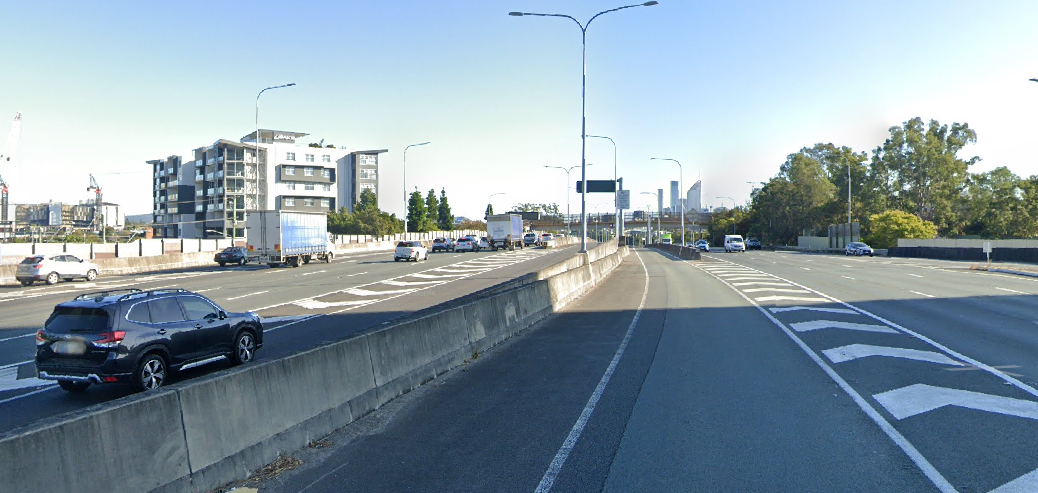
The latest traffic data from  Royal Automobile Club of Queensland (RACQ) shows the major Brisbane motorway corridor is a slow grind, with average speeds of just 37.4 km/h between Ipswich Motorway and Fig Tree Pocket Road during the 6-10 a.m. peak period.

RACQ’s 2023 Average Speed and Travel Time Report revealed the Centenary Motorway is one of the city’s most congested routes. The Pacific Motorway between North Quay and O’Keefe Street was Brisbane’s slowest at just 28.6km/h in the 3-7 p.m. afternoon peak period.

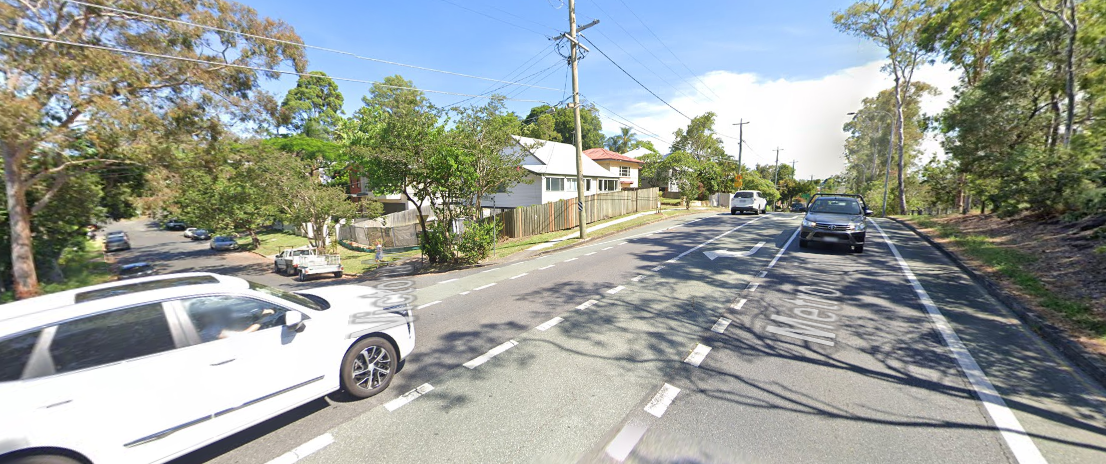
Photo credit: Google Street View

The organisation’s Head of Public Policy, Dr Michael Kane, acknowledged the ongoing Centenary Bridge upgrade work but emphasised that more comprehensive solutions are required to mitigate the escalating traffic challenges. This includes considering connections to proposed bypass tunnels to allow motorists to skirt around Brisbane.

“We know the Queensland Government is working on a draft Master Plan for the Centenary Motorway and we need this to be holistic and well thought out,” Dr Kane said.

“Any long-term planning for the Centenary Motorway corridor must consider a connecting ‘Western Bypass’ corridor linking through to the proposed Gympie Road Bypass Tunnel.

Proposed Gympie Road Bypass Tunnel (Photo credit: northbrisbaneinfrastructure.com.au)

“By fixing, finishing and extending our outer ring of motorways we will take traffic off our local roads and corridors by allowing them to bypass Brisbane altogether.

According to Dr Kane, any comprehensive strategy must heavily incorporate public transit solutions, such as segregated bus lanes, allowing for the possibility of extending the Brisbane Metro network’s reach.

The RACQ report did have a silver lining – upgraded sections of the Pacific Motorway saw dramatic speed improvements, giving a glimpse of how Brisbane traffic could flow if solutions are implemented.


Read: Congested Section Of Centenary Motorway To Receive Much-needed Upgrades


RACQ is eager to collaborate closely with local, state, and federal government entities as they persist in championing the interests of drivers across Queensland.

Published 27-March-2024

Community Consultation Continues for Centenary Motorway Upgrade

After an initial round of consultations in early 2023, the second round of community engagement for the Centenary Motorway Upgrade – Darra to Toowong will start this year.


Read: Olympic-Size Congestion: Call For Urgent Upgrade on Centenary Highway0


Local residents will have the opportunity to review updated draft plans and provide input on the proposed masterplan. 

Over the four-week consultation period earlier in 2023, there were over 2,000 interactions with stakeholders and community members. Some of the key issues raised included reducing congestion on the motorway; improving biking and walking facilities; and considering additional public transportation services.

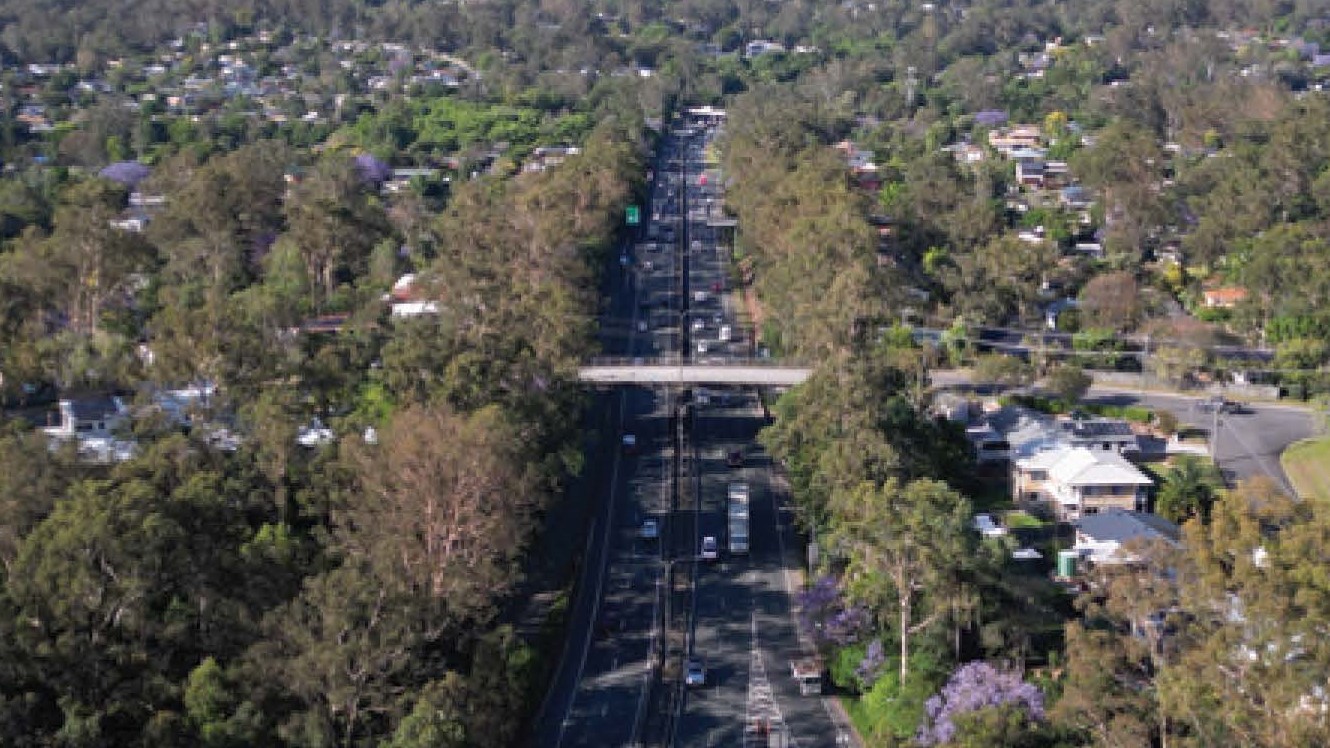
Centenary Motorway (Photo credit: tmr.qld.gov.au) 

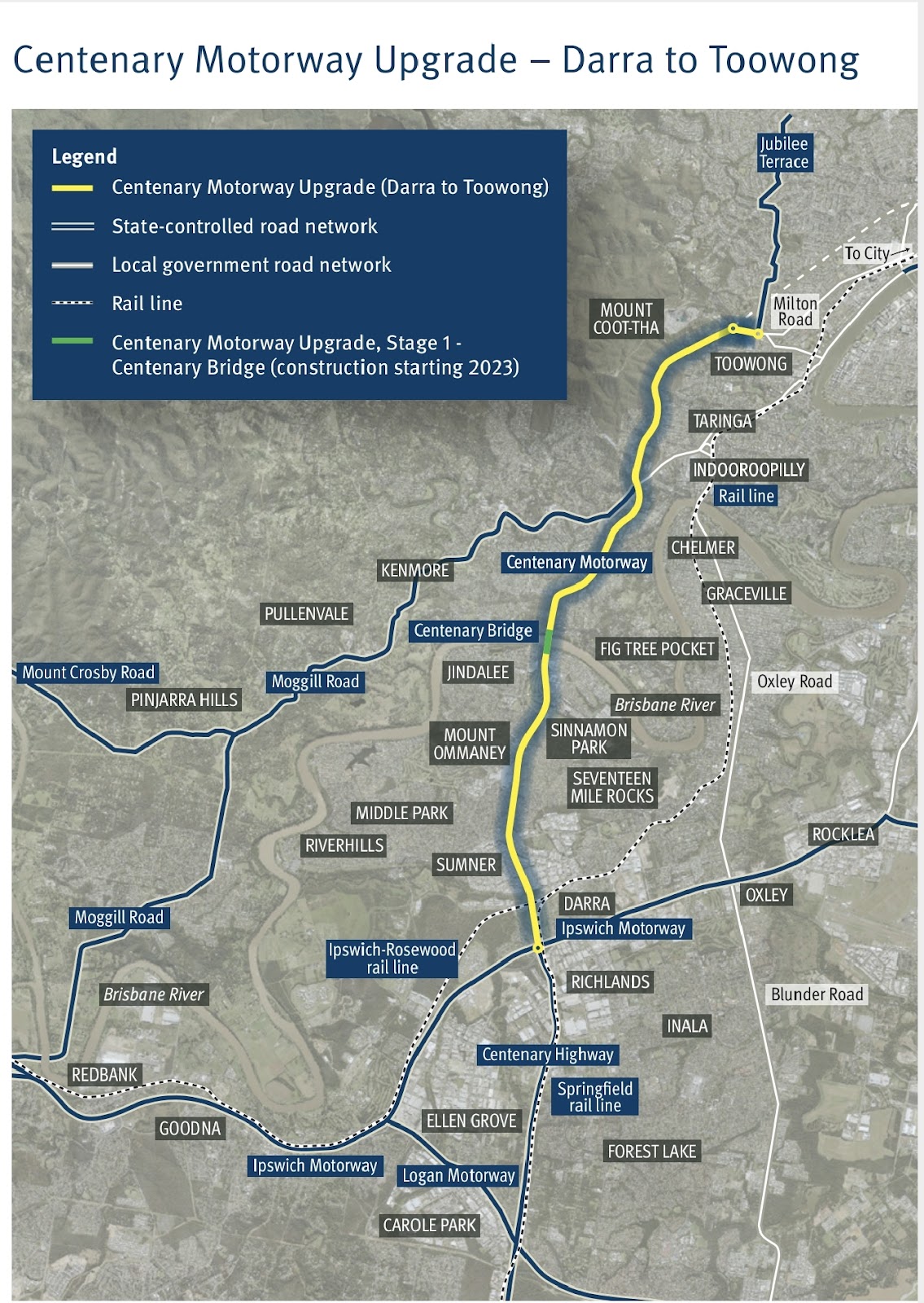
The current project encompasses improvements along the entire stretch of road from the Ipswich Motorway interchange to the Toowong Roundabout.

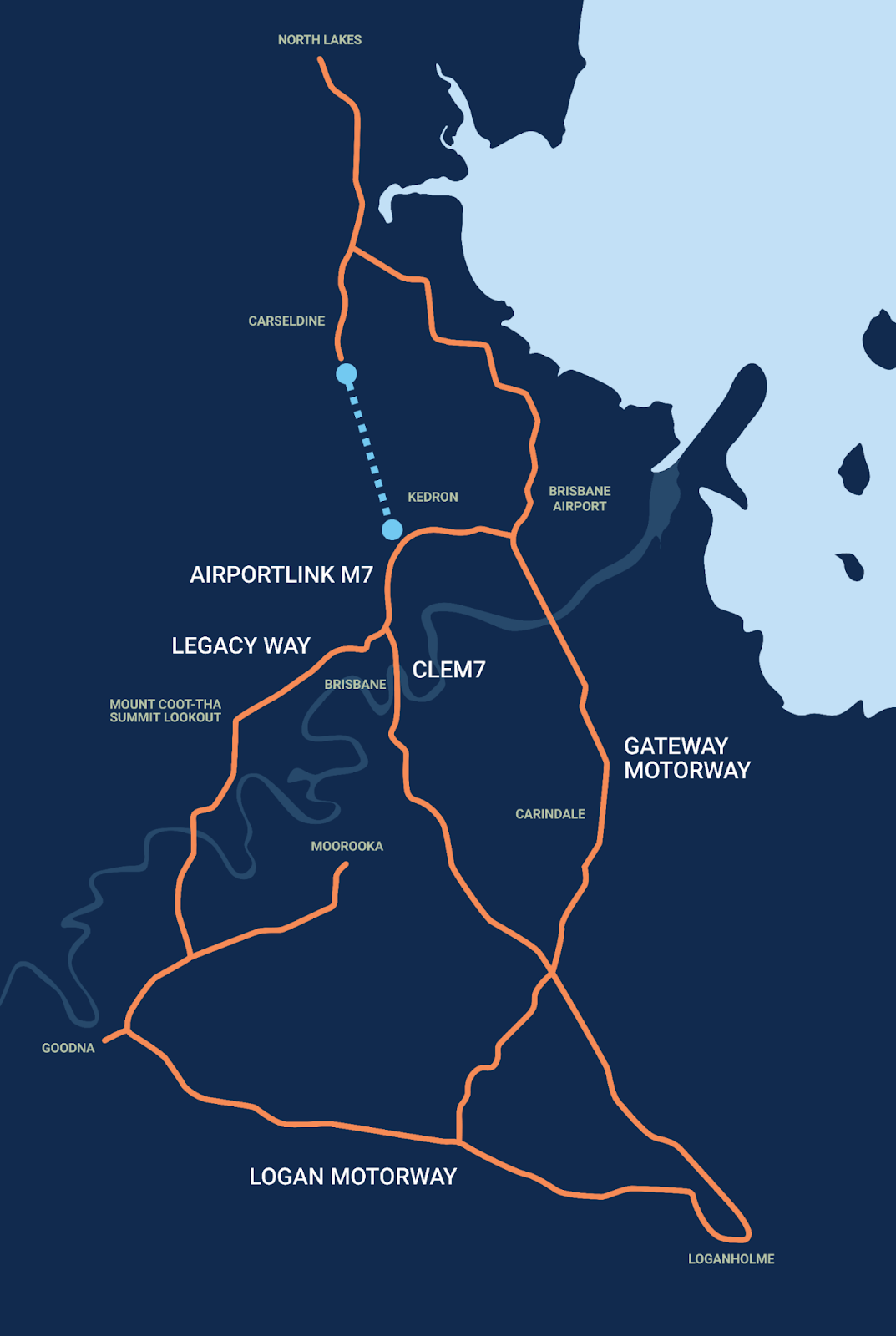
Project map (Photo credit: tmr.qld.gov.au)

Department of Transport and Main Roads (TMR) stresses the importance of public feedback in finalising designs for the next phase of construction after the current bridge upgrades are completed.

The $298.5 million Centenary Bridge Upgrade represents the first stage of the broader motorway enhancements. 

Works on the new three-lane northbound bridge, rehabilitation of the existing southbound bridges, and improved pedestrian/cycling infrastructure were slated to commence in late March 2023.

Centenary Motorway Upgrade, Stage 1 (Photo credit: tmr.qld.gov.au)

The Centenary Bridge, which forms part of the Motorway, currently carries over 85,000 vehicles daily, and projections estimate over 150,000 vehicles will need to cross it by 2036; the upgrade will improve safety to reduce crashes, increase capacity to meet current and future traffic demand with better travel time reliability, provide better facilities for active transport, and lengthen entry and exit ramps for safer merge lanes. 

TMR and contractors aim to minimise impacts to motorists and residents throughout construction. The team is currently finalising work plans and permits ahead of the start date. Initial on-site activities will involve surveys, site preparation, and utility relocations.

The federal government has pledged $10 million through the Major Project  Business Case fund, in additional funding to support planning and development of the corridor upgrades. 


Read: Contractors Chosen for the Centenary Bridge Upgrade


TMR plans to hold a series of community information sessions beginning February 14. Further information including the survey form can be viewed on TMR’s website

Published 10-December-2023

Congested Section Of Centenary Motorway To Receive Much-needed Upgrades

An upgrade is being planned for the Centenary Motorway, between Toowong and Darra, considered one of the most congested sections of Centenary Motorway.


Read: Motorists Warned Of Increased Risk Of Deer On Centenary Roads


Now updating the previous plan for the upgrades, TMR said the project will improve safety and capacity between Frederick Street in Toowong and the Ipswich Motorway in Darra.

“When completed, the fully upgraded motorway will cater for the transport demands along the corridor in the medium to long-term with upgrades focusing on safety, improving travel-times, and active transport facilities,” Transport and Main Roads announced.

Every year for a decade now, Centenary Motorway has made it to the top 10 most congested roads in Queensland. 

According to RACQ, vehicles moved at an average speed of 39.9 km/h on the motorway, making it the Brisbane road with the lowest inbound peak hour speed.

RACQ traffic and safety engineering manager, Gregory Miszkowycz, revealed they have been campaigning for upgrades to the section of the motorway between Darra and Toowong for several years.

Mr Miszkowycz highlighted that during peak times, this section of the thoroughfare is one of the slowest highway commutes in southeast Queensland.

centenary upgrades
Photo credit: Google Street View

RACQ’s 2021 Red Spot Congestion survey  also showed that Centenary Motorway had the second-highest number of nominations by frustrated motorists following Bruce Highway.

Around 142 respondents claimed the motorway does not have enough lanes and road capacity.

Mr Miszkowycz believes the additional lanes, interchange and safety upgrades between the Ipswich Mtwy and Toowong are desperately needed given the expected population growth in the west and Ipswich.

The updated motorway masterplan will also outline measures to improve safety, travel-time reliability and efficiency on an arterial road. It will also identify the most effective “staging approach’’ to deliver the motorway upgrade.

At present, there are already two major projects on Centenary Motorway: the $15-million Centenary Motorway and Logan Motorway interchange upgrade and the $244-million duplication of Centenary bridge which is anticipated to commence in late 2022.

The Australian Government has already committed $10 million for the upgrades between Toowong and Darra, under the Major Projects Business Case Funding Program.

New Sumners Road Interchange Renamed and Completed Months Ahead of Projection

Did you know that $80-million worth of upgrades to the Sumners Road Interchange, have now been completed, six months ahead of schedule? Considered one of Brisbane’s busiest interchanges, it’s now getting a new name as well.


Premier Annastacia Palaszczuk showed in a video post that the Sumners Road Interchange now delivers a smooth ride for the over 35,000 commuters who come from Jamboree Heights, Middle Park, Sinnamon Park, Darra, and the nearby suburbs. 

The interchange has been renamed the Len Waters Overpass, after the first Indigenous elite Kittyhawk fighter pilot of the Royal Australian Air Force (RAAF) during World War II. The premier said that Mr Waters’s family members are residents of Middle Park. He raised six children in Inala before he passed away in 1993. 

“It’s a fitting tribute and a mark of pride in the local community, especially in the lead up to Anzac Day,” Ms Palaszczuk said.  

The Sumners Road Interchange consists of six lanes that remove the traffic congestions in the surrounding suburbs. The upgrades also include a cycling underpass and U-turn facilities that will allow faster and safer travels, especially for the industrial and business workforce. 

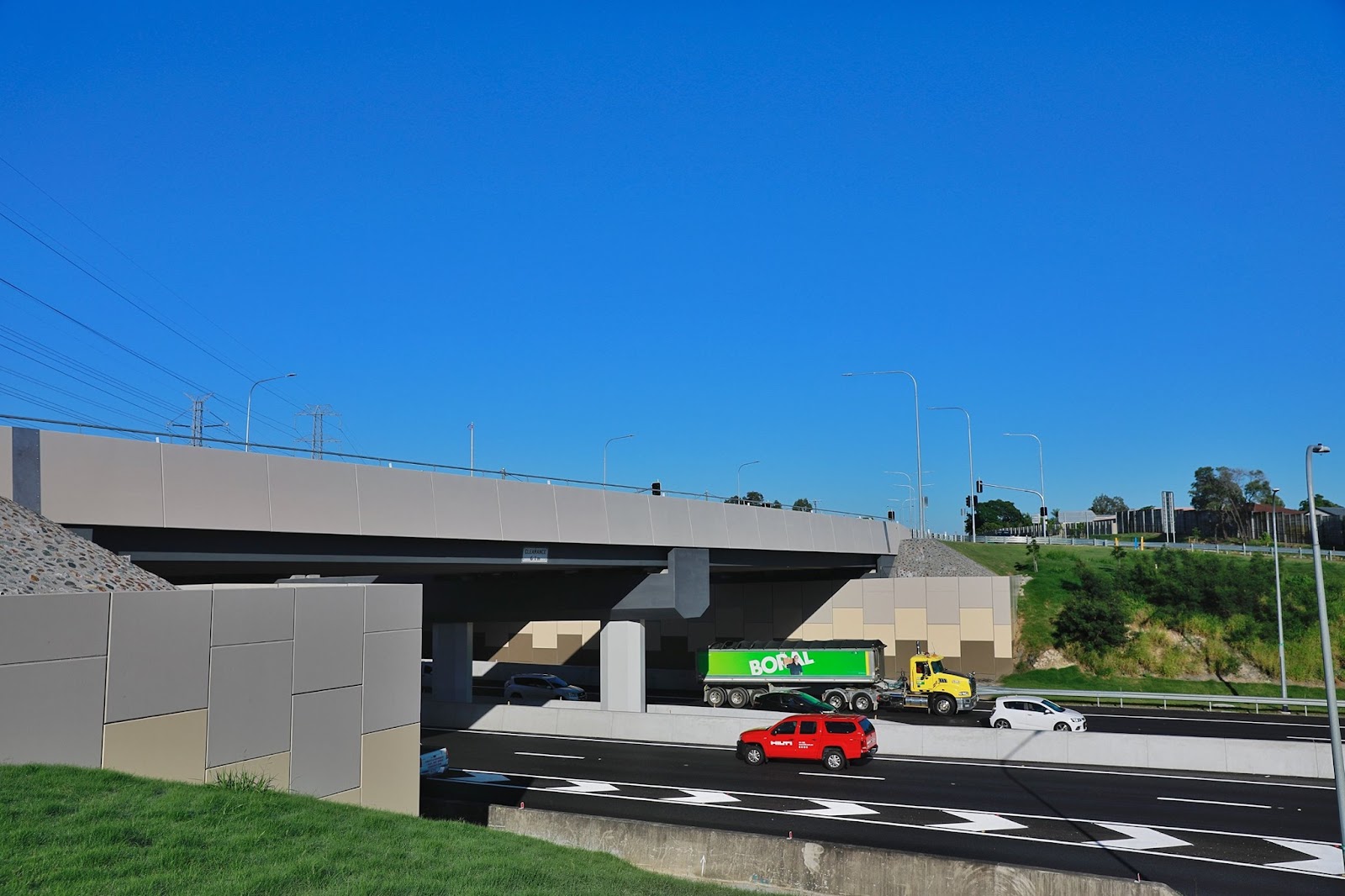
Photo Credit: Jess Pugh MP/Facebook

“We replaced the two roundabouts with signalised intersections, demolished the old two-lane bridge and built two new bridges, providing six traffic lanes in total to accommodate the high volume of traffic,” according to Minister for Transport and Main Roads Mark Bailey.


This project is part of the $26.9 billion infrastructure investment of the State Government in the next four years, and a much-needed response in the time of COVID and the looming population growth of Queensland. 

During the course of the upgrades, 105 jobs were fulfilled and several businesses were tapped to supply the concrete and asphalt needed to complete the roads. 

Easing Traffic Congestion On Centenary Motorway: $16 Million Announced For A Detailed Business Case

A plan to help ease the infamous traffic on the Centenary Motorway is finally coming together. Main Roads Minister Mark Bailey recently announced the allocation of an additional $16 million for a detailed business case on top of the $4 million budget that has already been earmarked for the project.

The State Government is planning for a second bridge to be built across the Brisbane River in Jindalee. This will help ease congestion and will allow for three lanes on the stretch of the highway. The project will also include bikeway upgrades and a longer merging lane.

The government’s action to ease congestion on the highway comes amidst widespread public clamor that the traffic situation has become untenable and will only likely get worse as the population in the area grows.

The project’s business case is expected to be finished by mid-2019. After this, the government will allocate capital funding for the project.

Last year, Premier Annastacia Palaszczuk announced that the government will spend $65 million to upgrade the highway. She said that her government is committed to fixing the traffic congestion.


Read: Centenary Highway To Get $65-Million Upgrade Within 12 Months
Read: Centenary Motorway Registers Slowest Traffic In The City